
What is student life like in China?
Published: April 29, 2026
Short Answer
Student life in China is defined by relentless academic pressure, communal living, and a culture that treats education as the most important investment a family can make. From middle school onward, students face grueling schedules centered on exam preparation, with the gaokao as the ultimate destination. University life offers more freedom but is shaped by dormitory living, military training for freshmen, and the stark reality that your exam score determined your university — and your university largely determines your career.
Despite the pressure, Chinese student life is also rich with friendships forged in shared hardship, late-night snacking, campus romance, and the unique camaraderie of surviving the gaokao together.
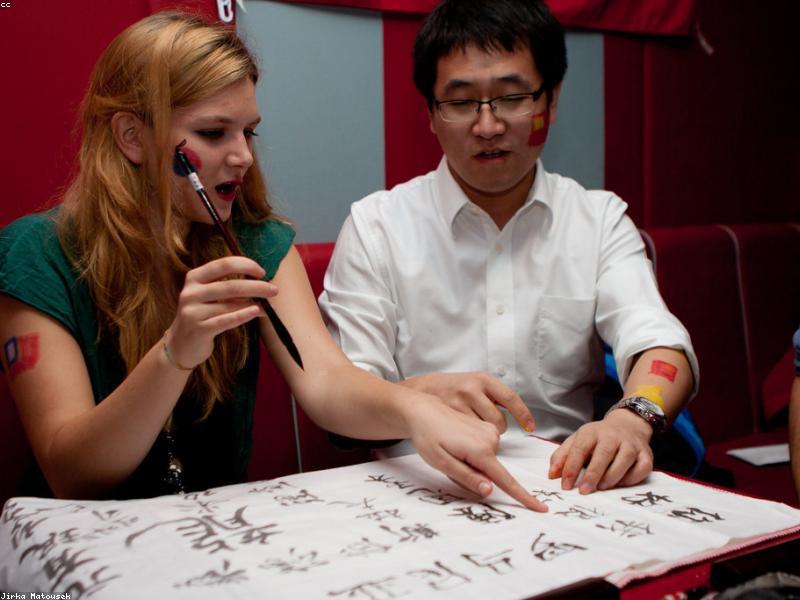
Chinese university students studying together in a library
Advertisement
Deep Dive
The Gaokao Years: High School Under Pressure
High school in China (高中, grades 10-12) is often described as the hardest period of a young person's life. The gaokao looms over everything, and the daily routine reflects this:
A typical day at a Chinese high school:
- 6:00 AM — Wake up. Some boarding schools require students to be at morning reading (早读) by 6:30.
- 6:30 - 7:00 AM — Morning reading session. Students recite English vocabulary, classical Chinese texts, or political theory.
- 7:00 - 7:30 AM — Breakfast. Cafeteria food is cheap but basic — rice, noodles, steamed buns, and simple dishes.
- 7:30 AM - 12:00 PM — Classes. Chinese, math, English, physics, chemistry, biology, history, geography, or politics — depending on your stream.
- 12:00 - 2:00 PM — Lunch and rest. Many students nap at their desks (this is why Chinese people nap after lunch — the habit starts in school).
- 2:00 - 5:30 PM — Afternoon classes.
- 5:30 - 6:30 PM — Dinner break. The one brief window of freedom.
- 6:30 - 9:30 PM — Evening self-study (晚自习). Students sit in silence and study. Teachers are present but do not lecture — this is independent work time.
- 9:30 - 10:30 PM — Back to the dormitory. Many students continue studying with flashlights under their covers.
- 10:30 PM — Lights out (in theory).
This schedule runs six days a week. Sunday might be a half-day. Holidays are minimal. The two years of high school before the gaokao year are a marathon of relentless studying.
Boarding Schools and Dormitory Life
Most Chinese high school students in cities live in school dormitories (宿舍), not at home. This is both practical (schools are far from some students' homes) and philosophical (boarding removes distractions and builds discipline).
A typical dormitory room houses 4-8 students in bunk beds. Conditions vary wildly — some schools have modern rooms with air conditioning and private bathrooms, while others have spartan quarters with shared squat toilets and no heating. Students are expected to keep their rooms clean (room inspections are common) and follow strict schedules.
Dormitory life creates intense bonds. Roommates share everything — late-night study sessions, secret snacks (eating after lights-out is a universal dorm experience), whispered conversations about crushes, and the collective stress of exams. Many Chinese people describe their high school roommates as some of the closest friends they will ever have.
Military Training: The University Initiation
Almost every Chinese university freshman must complete military training (军训) — typically two to three weeks of physical drills, marching, and discipline exercises at the start of the first semester. Students wear matching camouflage uniforms, stand at attention for hours in the sun, practice formations, and learn basic military songs.
The training is:
- Physically demanding — standing at attention in the summer heat, running drills, and performing push-ups
- Culturally significant — it is meant to build discipline, patriotism, and collective spirit
- Socially bonding — shared suffering creates instant friendships among classmates who just met
- Universally complained about — almost every student hates it while it is happening but looks back on it fondly later
Military training also includes lectures on national defense, political education, and sometimes emergency preparedness. The government sees it as a way to instill patriotism and discipline in the next generation.
University Life: Freedom (Sort of)
After the gaokao, university is a dramatic shift. The pressure does not disappear entirely, but the daily grind of 16-hour study sessions gives way to a more flexible lifestyle.
What changes:
- You choose your own courses (within your major)
- Class attendance is less strictly enforced (though still expected)
- You manage your own time — no more mandatory evening study
- You can join clubs, date, travel, and explore interests
- You live in dormitories with roommates from different provinces
What stays the same:
- Dormitory living (4-6 students per room is standard)
- Cafeteria meals (university cafeterias are famously cheap — a full meal for under $2)
- Exam pressure (finals are still intense, and some majors like medicine remain grueling)
- Family expectations (parents still monitor grades and career plans)
University campuses in China are self-contained worlds — dormitories, cafeterias, libraries, sports facilities, shops, and sometimes even hospitals are all on campus. Many students rarely leave campus during the semester.
Campus Romance and Social Life
University is where most Chinese young people experience their first serious relationships. High school dating is officially discouraged (and in some schools, explicitly banned), so university opens the floodgates.
Campus romance in China has its own culture:
- Couple outfits — matching clothes are a public declaration of a relationship
- Night walks — walking around campus together after dinner is the quintessential date activity
- Dorm curfews — most dormitories have strict curfew times (usually 10-11 PM), and visitors of the opposite sex are not allowed in dorm rooms
- WeChat relationships — much courtship happens through messaging before in-person dates
Social life revolves around student organizations (社团) — clubs for everything from debate to dance to volunteering to entrepreneurship. Joining a she is the primary way to make friends outside your dormitory.
The Job Hunt: Reality Hits
By junior year (third year of university), the reality of the job market begins to loom. China's youth unemployment rate has been a major concern, and competition for good jobs is fierce. Students start:
- Internships — often unpaid or low-paid, but essential for building a resume
- Civil service exam preparation (考研 or 考公) — many students prepare for graduate school entrance exams or government job exams alongside their regular coursework
- Campus recruitment — large companies visit universities to recruit directly, making campus placement rates a point of pride for schools
The transition from student to worker is jarring. After 16+ years of studying, many young graduates struggle with the unstructured nature of working life — and the sudden realization that test scores do not determine success in the real world.