
Do Chinese people still worship ancestors?
Published: April 29, 2026
Short Answer
Yes, ancestor veneration remains a significant practice in China, though its form has evolved over time. Most Chinese families still honor their deceased relatives — especially during Qingming Festival (Tomb Sweeping Day) — by visiting graves, burning paper offerings, and maintaining ancestral halls. It is less about religious worship and more about showing respect and keeping family bonds alive across generations.
The practice blends Confucian values of filial piety with folk religious traditions. Even many young, secular Chinese people will light incense at a grave or bow before an ancestor's photo out of deep cultural habit, even if they do not consider themselves religious.
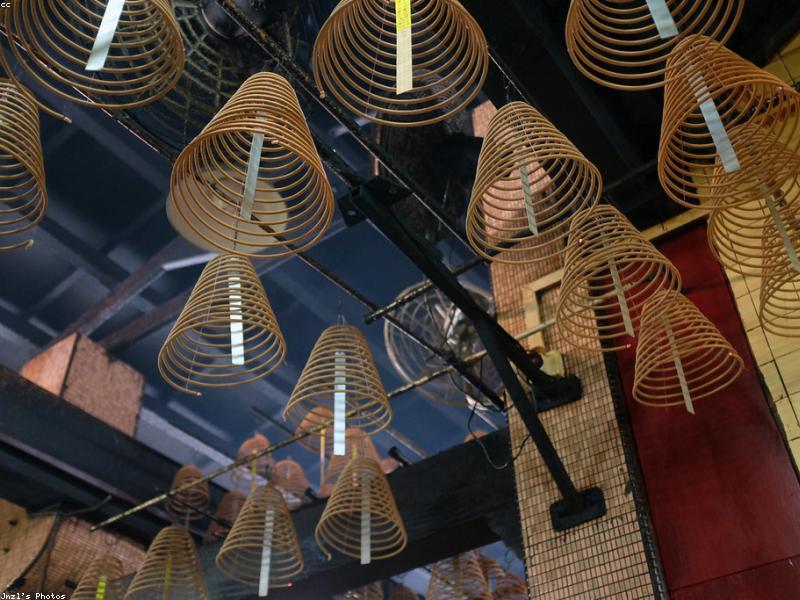
Qingming Festival tomb sweeping with incense and offerings
Advertisement
Deep Dive
What Ancestor Worship Actually Looks Like
Forget whatever exotic images the phrase "ancestor worship" might conjure. In practice, it looks remarkably ordinary. A family visits a cemetery, clears weeds from around the grave, places fresh flowers or fruit, burns incense, and bows. Some families have a small altar at home with photos of deceased relatives, where they might place a cup of tea or light a candle on special days.
The core idea is simple: death does not end a relationship. Your grandparents and great-grandparents are still part of the family. You show them respect, keep them informed about major life events, and ask for their blessing. It is love expressed through ritual.
Qingming Festival: Tomb Sweeping Day
Qingming (清明, literally "clear and bright") falls on April 4 or 5 each year and is the most important date for ancestor veneration. It is a national holiday, and millions of Chinese people travel home to visit family graves.
Typical Qingming activities include:
- Sweeping tombs — cleaning the grave site, pulling weeds, repainting inscriptions
- Burning joss paper — paper replicas of money, houses, cars, and even smartphones that are believed to reach the deceased in the afterlife
- Offering food and drink — the deceased's favorite dishes, tea, and baijiu (liquor)
- Burning incense — a bridge between the living and the spiritual world
- Kowing (磕头) — kneeling and touching your forehead to the ground, the deepest sign of respect
In recent years, the Chinese government has tried to reduce fire hazards and air pollution caused by burning paper offerings. Some cemeteries now offer "eco-friendly" Qingming options, like planting trees or posting digital tributes. But the emotional core of the holiday — visiting your ancestors and remembering them — remains strong.
Ancestral Halls and Genealogy Books
In southern China, particularly in Fujian, Guangdong, and among overseas Chinese communities, ancestral halls (祠堂) are still prominent. These are large buildings dedicated to a family's ancestors, often dating back centuries. They serve as gathering places for clan reunions, sites for important ceremonies, and physical proof of a family's history.
Many Chinese families also maintain genealogy books (族谱), handwritten or printed records tracing the family lineage back dozens of generations. These books are treasured possessions, sometimes surviving wars, floods, and political upheavals. In recent years, there has been a revival of interest in genealogy research, with people using DNA testing and online databases to trace their roots.
Confucian Roots
Ancestor veneration in China is deeply tied to Confucianism, which emphasizes filial piety (孝) — the duty of children to respect, obey, and care for their parents. Confucius taught that this duty does not end with death. Honoring your ancestors is the highest expression of filial piety because it extends across the boundary of life and death.
This is not the same as worshipping gods. Chinese people generally do not pray to ancestors for miracles. Instead, they keep ancestors "present" in family life — setting a place at the table during festivals, telling children about their great-grandparents, and visiting graves to maintain the connection.
Paper Offerings: Modern and Traditional
One of the most visually striking aspects of Chinese ancestor veneration is the burning of joss paper (纸钱). Traditional offerings include paper money and gold ingots, but modern versions have expanded dramatically. You can now buy paper replicas of iPhones, luxury handbags, sports cars, mansions, and even credit cards.
The logic is practical: if your ancestors need things in the afterlife, you should provide them. A grandmother who loved shopping in life might appreciate a paper Louis Vuitton bag. A grandfather who was a businessman might need a paper laptop. It sounds whimsical, but the sentiment behind it is deeply sincere.
How Younger Chinese People See It
Attitudes are shifting. Urban, educated young people are less likely to follow every traditional ritual, but most still participate in Qingming and show basic respect for ancestors. Some see it as cultural tradition rather than spiritual practice — similar to how many Westerners celebrate Christmas without being devout Christians.
The bigger threat to ancestor veneration is not secularism but geography. When families scatter across different cities (or countries), it becomes harder to gather at a single grave site. Digital memorials and video-calling into family ceremonies have emerged as modern solutions.
Still, the emotional pull remains powerful. In a country that has undergone enormous change in just a few generations, ancestor veneration provides a rare thread of continuity — a way of saying: we came from somewhere, and we remember.