
Why do Chinese people love KTV?
Published: April 29, 2026
Short Answer
KTV (karaoke television) is one of China's most popular social activities, with an estimated 100,000+ KTV venues across the country. Unlike Western karaoke — which typically involves singing in front of a bar full of strangers — Chinese KTV is done in private rooms with friends, colleagues, or business partners. It is the default activity for birthday celebrations, team outings, and late-night entertainment.
KTV is not really about singing ability. It is about bonding, letting loose, and sharing an experience together. The private room format removes the pressure of performing for strangers, which makes it accessible to everyone — from confident performers to people who would never set foot on a public stage.
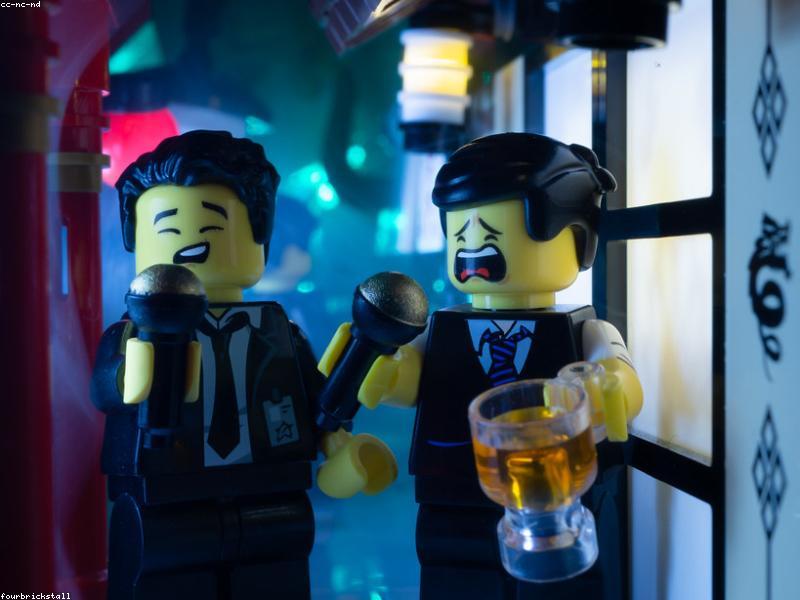
KTV karaoke room with neon lights and microphones in China
Advertisement
Deep Dive
How KTV Works in China
A typical KTV experience goes like this: a group of friends (usually 4-15 people) books a private room. The room has a large screen, a sound system, microphones, comfortable sofas, and often colorful mood lighting. You order drinks and snacks (often beer, fruit plates, and fried chicken), then take turns choosing songs from a massive digital catalog.
Sessions typically last 2-4 hours. Pricing is usually by the hour or by the session, with significant discounts during daytime hours (下午场). Upscale KTV venues can be luxurious, with VIP rooms, premium sound systems, and extensive food menus. Budget KTV chains offer clean rooms at affordable prices for students and young workers.
The song catalog is enormous — most venues have tens of thousands of songs in Chinese, English, Korean, Japanese, and other languages. Popular choices include classic Chinese ballads, Cantopop, Mandarin pop hits, and occasionally Western songs for the English speakers in the group.
The Social Ritual
KTV is governed by unspoken social rules that every Chinese person learns through experience:
- The host pays. Whoever organized the outing typically covers the room fee. Others might chip in for food and drinks, but the room is on the organizer.
- Everyone sings. Even if you are terrible, you are expected to sing at least one song. Refusing to participate is considered antisocial. If you genuinely cannot sing, you can choose a very simple song or sing in a group.
- The boss goes first. In a work setting, the highest-ranking person usually sings the first song. After that, people take turns. Junior employees are expected to be enthusiastic audience members.
- Duets are bonding. Singing a duet with someone is a sign of closeness and friendship. Popular duet songs are a social currency.
- Applause is mandatory. No matter how badly someone sings, the group claps and cheers. KTV is a judgment-free zone (at least to your face).
- Last song ritual. The final song of the night is often a group number or a meaningful ballad that everyone sings together. It is the KTV equivalent of a toast.
Business Entertainment and KTV
In the Chinese business world, KTV is not just leisure — it is a tool for building guanxi (relationships). After a business dinner, the next stop is often KTV. Singing together, sharing drinks, and being vulnerable (everyone sounds silly singing after a few beers) creates a bond that boardroom meetings cannot.
This aspect of KTV culture has declined somewhat among younger professionals and in the wake of anti-corruption campaigns that targeted lavish entertainment. But in many industries, especially in smaller cities and traditional sectors, KTV remains an important networking venue.
Foreigners doing business in China should be prepared for KTV invitations. The best strategy: have one or two songs ready (something everyone knows, like "Hotel California" or a Beatles song), be willing to try, and enjoy the experience.
Popular KTV Songs
Certain songs are KTV staples that almost everyone in China knows:
- "Friends" (朋友) by Emil Chau — the ultimate friendship anthem, played at every gathering
- "The Moon Represents My Heart" (月亮代表我的心) by Teresa Teng — a timeless classic
- "Kiss Goodbye" by Wang Leehom — a modern standard
- "Little Apple" (小苹果) by Chopstick Brothers — a fun, silly group song
- "Let's Go Together" (一起走过的路) — a nostalgic favorite
- "Chengdu" by Zhao Lei — a folk ballad that became a national sensation
- Various Jay Chou songs — the king of KTV, nearly every song is a safe choice
English-language songs that work well at Chinese KTV include "My Heart Will Go On," "Yesterday Once More," and anything by the Backstreet Boys.
KTV vs. Western Karaoke
The differences are significant:
| Chinese KTV | Western Karaoke |
|---|---|
| Private rooms | Public stage |
| Your own group only | Singing to strangers |
| High-quality sound systems | Variable quality |
| Huge digital song catalog | Usually smaller selection |
| Snacks and drinks ordered to room | Bar service |
| 2-4 hour sessions | One or two songs per person |
| Social bonding activity | Often a solo performance |
The private room model is objectively more comfortable. You do not have to worry about strangers judging you, you can be as silly as you want, and the experience feels more like a house party than a performance.
The Decline and Evolution of KTV
KTV has faced challenges in recent years. Younger Chinese people have more entertainment options — Douyin, gaming, streaming services — and the traditional KTV business model has struggled. Some major chains have closed locations.
But KTV is not dying — it is evolving. Mini KTV booths (small soundproof pods for 1-2 people) have appeared in shopping malls and train stations across China. These are perfect for a quick solo session while waiting for a train or shopping. Online karaoke apps like Changba (唱吧) let people sing and share recordings from their phones.
The core appeal of KTV — private, social, low-pressure singing with friends — remains as strong as ever. It is one of those Chinese cultural experiences that visitors should try at least once.