The Chinese education system explained
Published: April 29, 2026
Short Answer
The Chinese education system runs from three years of kindergarten through six years of primary school, three years of middle school, three years of high school, and then university. The entire system is built around one make-or-break event: the gaokao (高考), the national college entrance exam taken at age 18. Your gaokao score determines which university you attend, which in large part shapes your career and life trajectory.
Education in China is intense, highly competitive, and deeply valued. Families invest enormous resources — money, time, and emotional energy — into their children's education. It is not unusual for students to study 12 to 16 hours a day in the years leading up to the gaokao.
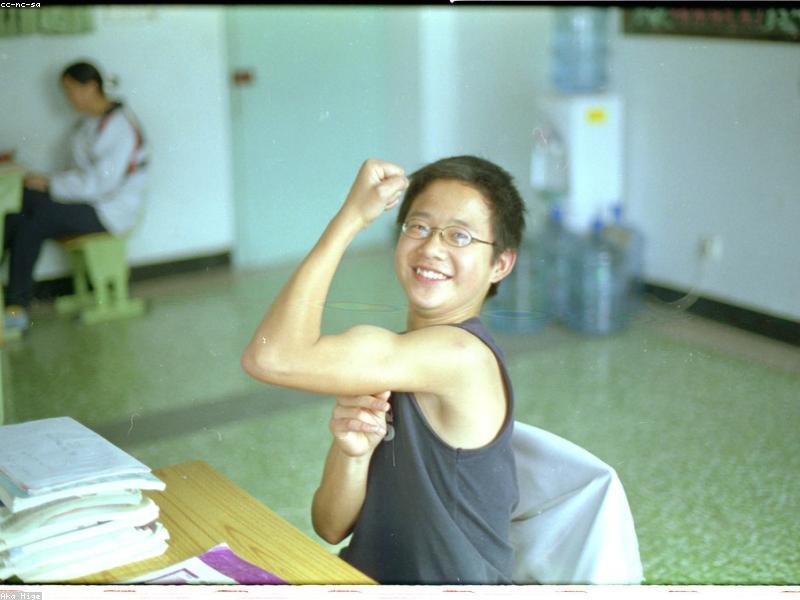
Chinese students studying in a classroom with books
Advertisement
Deep Dive
The Structure: From Kindergarten to University
China's education system follows a 6-3-3 structure:
- Kindergarten (幼儿园) — 3 years, ages 3-6. Not compulsory, but nearly universal in cities. Many kindergartens already start teaching reading, math, and even English.
- Primary school (小学) — 6 years, ages 6-12. Compulsory. Curriculum includes Chinese, math, English (starting from grade 3 or earlier), science, PE, music, and art.
- Middle school (初中) — 3 years, ages 12-15. Compulsory. Academic pressure ramps up significantly. Students take the zhongkao (中考) at the end of middle school to determine which high school they attend.
- High school (高中) — 3 years, ages 15-18. Not technically compulsory, but virtually all urban students attend. The final year is almost entirely dedicated to gaokao preparation.
- University (大学) — 4 years for a bachelor's degree (5 for medicine and some engineering programs).
The Gaokao: The Exam That Decides Everything
The gaokao is the single most important event in a young Chinese person's life. Taken over two or three days in early June, it covers Chinese, math, and a foreign language (usually English), plus a selection of other subjects depending on the province.
The gaokao is brutal in its simplicity: one exam, one score, one chance. There is no portfolio, no extracurricular weighting, no teacher recommendations. Your score determines which tier of university you enter — and in China, the gap between a top-tier university and a mid-tier one is enormous in terms of career prospects.
Key facts about the gaokao:
- Around 12 to 13 million students take it each year
- Scoring systems vary by province, but the maximum is typically 750 points
- The top universities (Peking, Tsinghua, Fudan) accept only the highest scorers
- Students in rural provinces face tougher competition and lower acceptance rates
- Some families move to different provinces years in advance to gain an advantage (called "gaokao immigration")
The gaokao is often compared to a pressure cooker. Suicide rates among young people spike around exam season, and the government has implemented mental health programs to address the crisis. At the same time, many Chinese people defend the gaokao as the most fair and meritocratic system available in a country with limited university spots and massive inequality.
The Pressure: Study, Study, Study
Chinese students, especially in high school, live under extraordinary academic pressure. A typical schedule for a gaokao-bound student:
- 6:00 AM — Wake up, morning reading (早读)
- 7:00 AM - 12:00 PM — Classes
- 12:00 - 2:00 PM — Lunch and brief rest
- 2:00 - 5:30 PM — More classes
- 6:30 - 10:00 PM — Evening self-study (晚自习)
- 10:00 PM - midnight — Homework and review
Many students attend cram schools (补习班) on weekends and holidays. The "double reduction" policy (双减) introduced in 2021 tried to limit after-school tutoring, but demand remains high — the tutoring simply moved underground or online.
Parents are deeply involved. It is common for one parent (usually the mother) to quit their job entirely to support their child's gaokao preparation. The phrase "gaokao mother" (高考妈妈) describes this phenomenon.
Extracurricular Pressure: The "Neijuan" Trap
Even outside core academics, Chinese education has become intensely competitive. Parents sign children up for piano, ballet, calligraphy, coding, English tutoring, math olympiad training, and more — not necessarily because the child enjoys it, but because every other parent is doing it. This is the essence of neijuan (内卷, involution): everyone runs harder just to stay in place.
The government's "double reduction" policy was a direct response to this arms race, but changing deep cultural expectations about education is a slow process.
University Life: A Different World
After the gaokao, many students experience a sudden release of pressure. Chinese universities are generally less demanding than the high school years that preceded them. Students joke that "university is where you finally get to live."
University in China is also where many young people experience true independence for the first time — living in dormitories, managing their own schedules, and making their own choices. For students from small towns, attending university in Beijing or Shanghai is often their first experience of big-city life.
Rural vs. Urban Divide
The quality gap between rural and urban education in China is stark. City schools have modern facilities, experienced teachers, and abundant resources. Rural schools often struggle with underfunding, teacher shortages, and outdated equipment. Students from rural areas are significantly less likely to score high enough on the gaokao to attend a top university — a source of ongoing social tension.
The government has introduced special admission quotas for rural students, but the gap remains wide. For many rural families, education is seen as the only path out of poverty, making the pressure even more intense.