
Dragon Boat Festival explained
Published: April 29, 2026
Short Answer
The Dragon Boat Festival (端午节, Duanwu Jie) falls on the fifth day of the fifth lunar month and commemorates the patriotic poet Qu Yuan, who drowned himself in a river after his kingdom fell. Today, it is celebrated with dragon boat races, eating zongzi (sticky rice dumplings), drinking realgar wine, and hanging mugwort and calamus on doorways to ward off evil.
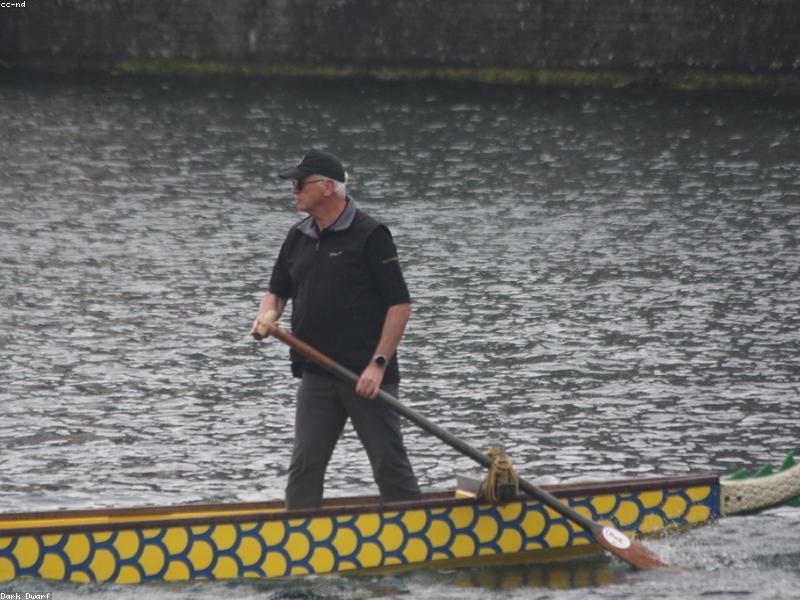
Colorful dragon boats racing on a river with paddlers in sync
Advertisement
Deep Dive
The Story of Qu Yuan
Qu Yuan (屈原, approximately 340-278 BCE) was a poet and minister of the state of Chu during the Warring States period. He was a loyal advisor who advocated for political reform and alliance against the powerful state of Qin. But corrupt court officials slandered him, and the king exiled him.
During his exile, Qu Yuan wrote some of the most important poems in Chinese literature, including "Li Sao" (Encountering Sorrow), a long autobiographical poem about his anguish over his country's decline. When the Qin army eventually conquered the Chu capital, Qu Yuan was so devastated that he waded into the Miluo River in present-day Hunan province and drowned himself, clutching a heavy stone.
Local people, who loved him, rushed out in boats to save him or recover his body. When they could not find him, they threw balls of sticky rice into the water so the fish would eat the rice instead of Qu Yuan's body. This is the origin of both dragon boat racing and zongzi.
Zongzi: The Festival Food
Zongzi (粽子) are pyramid-shaped dumplings made of glutinous rice wrapped in bamboo or reed leaves and tied with string. They are steamed or boiled for hours, resulting in a dense, fragrant package.
The filling varies dramatically by region:
- Northern style — Sweet zongzi filled with red bean paste, jujubes (Chinese dates), or plain with sugar. Simpler, lighter.
- Southern style — Savory zongzi filled with pork belly, salted egg yolk, chestnuts, mushrooms, and sometimes dried shrimp. Rich and heavy.
- Cantonese style — The most elaborate, sometimes containing abalone or other luxury ingredients.
- Sichuan style — Spiced with Sichuan peppercorn, sometimes with a chili paste filling.
The sweet-versus-savory zongzi debate is one of China's great food arguments, comparable to the pineapple-on-pizza controversy in the West. Families pass down their zongzi recipes through generations, and the wrapping process itself is a bonding activity — grandmothers teaching grandchildren the proper folding technique.
Dragon Boat Racing
Modern dragon boat racing is a serious sport. A standard dragon boat holds 20 paddlers, a drummer at the bow, and a steerer at the stern. The boats are long and narrow, decorated with dragon heads and tails, and the drummer sets the rhythm for the team.
Races take place on rivers and lakes across China, but the most famous events happen in:
- Miluo River, Hunan — The legendary site of Qu Yuan's drowning; the most symbolically important race
- Guangzhou — One of the largest and most competitive events
- Hong Kong — The Stanley International Dragon Boat Championships draw teams from around the world
Dragon boat racing has spread internationally. There are now competitive leagues in Canada, Australia, the UK, Germany, and dozens of other countries. What began as a folk ritual is now a global sport with standardized rules and world championships.
Realgar Wine and Protective Herbs
Traditional customs for the festival include:
- Realgar wine (雄黄酒) — Wine mixed with realgar (arsenic sulfide), believed to repel insects and evil spirits. The Legend of the White Snake (白蛇传) features a famous scene where a snake spirit reveals her true form after drinking realgar wine. Today, most people skip the actual wine because arsenic is toxic, but the cultural reference remains.
- Mugwort (艾草) and calamus (菖蒲) — Bundles of these herbs are hung on doorways. Their strong scent repels mosquitoes and other insects, which makes practical sense during the humid fifth lunar month.
- Five-color silk threads — Children wear bracelets of five colored threads (blue, red, white, black, yellow, representing the five elements) for protection against disease and evil.
- Sachets (香囊) — Small embroidered pouches filled with herbs are worn by children or hung in homes. They smell wonderful and are believed to ward off illness.
The Fifth Month as "Poison Month"
The fifth lunar month was traditionally considered dangerous — the heat brings out snakes, scorpions, centipedes, toads, and spiders (the "five poisons"). Disease spreads more easily in the warm, humid weather. Many of the Dragon Boat Festival's customs are really about public health: the herbs repel insects, the wine (in theory) repels parasites, and the outdoor activity and community gathering boost morale during a difficult season.
This practical dimension makes Duanwu one of the most interesting Chinese festivals — it blends poetry, sport, food, public health, and superstition into a single day.