
What do Chinese people eat for breakfast?
Published: April 29, 2026
Short Answer
Chinese breakfast varies dramatically by region, but most mornings start with something warm, carb-forward, and quick. In northern China, you will find steamed buns (包子, baozi), savory pancakes, and soy milk with fried dough sticks (豆浆配油条). In the south, rice congee (粥, zhou) with small side dishes, rice noodle soup, and wontons are more common. Street vendors and breakfast shops handle most of the morning rush — cooking breakfast at home is less common than you might expect.
A traditional Chinese breakfast spread with congee, youtiao, and small dishes
Advertisement
Deep Dive
Northern China: Wheat Country
North of the Yangtze River, wheat is king. Breakfast reflects this with doughy, filling staples.
-
Baozi (包子) — Fluffy steamed buns filled with pork and vegetables, or sometimes red bean paste for a sweet version. Sold at street stalls and steaming hot from bamboo baskets. Larger versions called mantou (馒头) are plain and often dipped in congee or soy milk.
-
Jianbing (煎饼) — A thin, crispy crepe made on a large round griddle. A batter of mung bean and wheat flour is spread thin, cracked with an egg, then topped with scallions, cilantro, crispy wonton bits, and a savory sauce. It is folded and handed to you in a paper bag — the ultimate grab-and-go breakfast.
-
Soy milk and youtiao (豆浆配油条) — Fresh, hot soy milk (sweet or savory) paired with long, golden fried dough sticks. You tear the youtiao and dunk it into the soy milk. This combo is as iconic in China as coffee and toast is elsewhere.
-
Huabing (花卷) — Steamed twisted rolls with scallions and sesame oil layered inside. Light, fluffy, and subtly savory.
Southern China: Rice and Broth
The south favors lighter, more liquid-based breakfasts, often with rice as the base.
-
Congee (粥, zhou) — A slow-cooked rice porridge that ranges from silky smooth to thick and chunky. Plain congee is a blank canvas — topped with century egg and pork (皮蛋瘦肉粥), fish slices, or just a drizzle of soy sauce and crispy shallots. Every family has their own preferred thickness.
-
Rice noodle soup (米粉/河粉) — In Guangxi and Guangdong, a steaming bowl of rice noodles in bone broth is the morning standard. Guilin rice noodles (桂林米粉) are famous nationwide, with pickled vegetables and savory toppings.
-
Wontons (馄饨) — Delicate, thin-skinned dumplings in a light broth, often with a touch of sesame oil and chopped scallion. In Shanghai, small wontons in clear soup are a beloved breakfast choice.
-
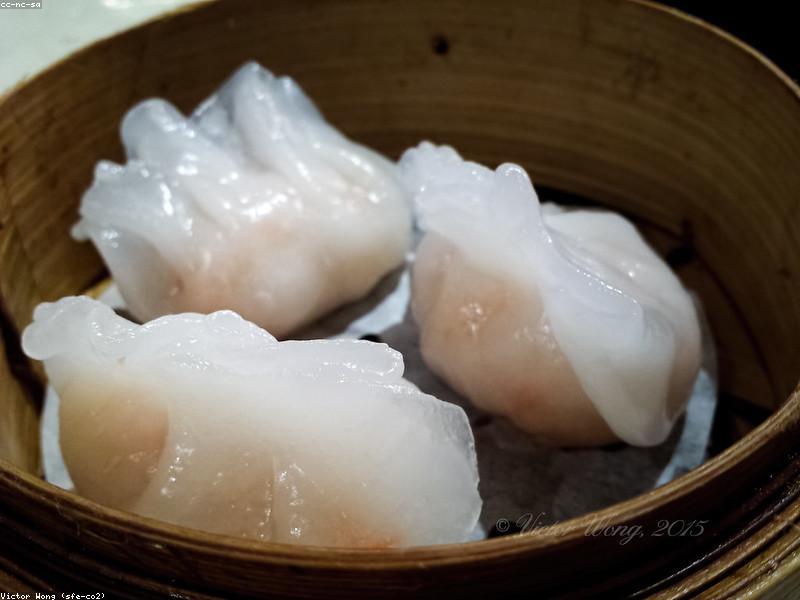
Cantonese dim sum (早茶) — In Guangdong and Hong Kong, weekend breakfast often means a trip to a teahouse for dim sum: har gow (虾饺), siu mai (烧卖), char siu bao (叉烧包), and endless pots of tea. This is a social meal, not a quick one.
East China: A Bit of Everything
Shanghai and the surrounding Jiangnan region blend northern and southern influences. Here you might find shaobing (烧饼, sesame flatbread), sticky rice wrapped in fried dough (糍饭团), or sweet rice balls in fermented rice wine soup (酒酿圆子).
What Makes Chinese Breakfast Different
A few things stand out compared to Western breakfast habits:
- Savory over sweet — Most Chinese breakfasts are savory. Even soy milk is often ordered unsweetened with a pinch of salt.
- Warm and cooked — Cold cereal or a plain piece of toast is uncommon. The belief that breakfast should be warm and nourishing runs deep in Chinese food culture.
- Eaten out, not made at home — Breakfast shops (早餐店) are everywhere and incredibly affordable. A full breakfast rarely costs more than a dollar or two.
If you want to recreate a Chinese breakfast at home, start with congee and youtiao — both are simple, comforting, and deeply satisfying on a cold morning.