
What are authentic home-style recipes for beginners?
Published: April 29, 2026
Short Answer
The best beginner Chinese recipes are the ones Chinese families actually cook at home every day — tomato egg stir-fry, fried rice, garlic green beans, mapo tofu, and simple steamed fish. These dishes use a handful of pantry staples, require no special equipment beyond a wok or large pan, and teach you the fundamental techniques (stir-frying, braising, steaming) that underpin all of Chinese cooking.
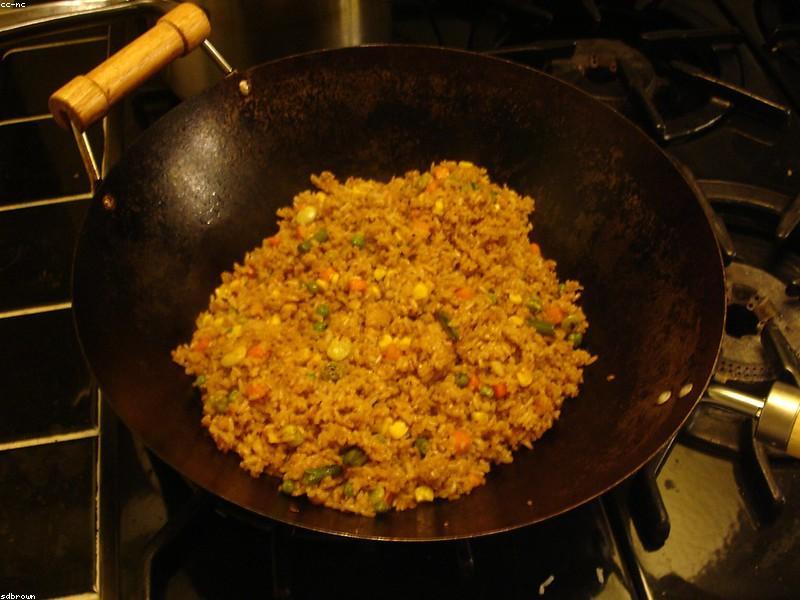
Stir fried vegetables in Chinese wok
Advertisement
Deep Dive
Your Chinese Pantry Starter Kit
Before you cook anything, stock these essentials. They last for months and form the flavor foundation of almost every Chinese recipe:
- Light soy sauce (生抽, shēngchōu) — Thin, salty, and used for seasoning. This is your primary soy sauce. Do not confuse it with dark soy sauce, which is thick and used for color.
- Dark soy sauce (老抽, lǎochōu) — Thicker, less salty, adds a deep brown color to braises and noodles.
- Sesame oil (香油, xiāngyóu) — Used as a finishing oil, not for cooking. A few drops at the end of a dish adds a rich, nutty aroma.
- Shaoxing wine (料酒, liàojiǔ) — Chinese rice wine used for deglazing and marinades. If unavailable, dry sherry works as a substitute.
- Oyster sauce (蚝油, háoyóu) — Thick, savory-sweet sauce essential for stir-fries and vegetable dishes.
- White pepper — Used far more often than black pepper in Chinese cooking. It has a sharper, more aromatic heat.
- Cornstarch — Used for velveting meat (coating in cornstarch before stir-frying) and thickening sauces.
- Doubanjiang (豆瓣酱) — Fermented chili bean paste from Sichuan. The "soul of Sichuan cooking." One jar lasts a long time.
Recipe 1: Tomato Egg Stir-Fry (番茄炒蛋)
This is the dish virtually every Chinese person learns to cook first. It is fast, cheap, and comforting — the Chinese equivalent of a grilled cheese sandwich.
Ingredients: 3 large tomatoes, 4 eggs, 2 tablespoons vegetable oil, 1 teaspoon sugar, salt to taste, chopped scallions for garnish.
Method: Beat the eggs with a pinch of salt. Heat oil in a wok over high heat until smoking, pour in the eggs, and scramble quickly until just set — about 30 seconds. Remove eggs. Add a little more oil, add chopped tomatoes, and cook until they break down into a saucy consistency (about 4-5 minutes). Add sugar and salt. Return the eggs to the wok, toss everything together, and garnish with scallions.
Key technique: The sugar is not optional — it balances the acidity of the tomatoes and is what makes this dish taste authentically Chinese.
Recipe 2: Egg Fried Rice (蛋炒饭)
The secret to great fried rice is using day-old rice. Fresh rice is too moist and will turn mushy in the wok.
Ingredients: 2 cups cold cooked rice (from yesterday), 3 eggs, 2 tablespoons vegetable oil, 2 tablespoons light soy sauce, 1 teaspoon sesame oil, diced scallions, optional: diced ham, peas, or shrimp.
Method: Heat oil in a wok until smoking. Add beaten eggs and scramble quickly. Before the eggs fully set, add the cold rice and break up any clumps with your spatula. Stir-fry vigorously over high heat for 2-3 minutes. Add soy sauce around the edges of the wok (not directly on the rice) so it sizzles and caramelizes. Finish with sesame oil and scallions.
Key technique: Keep the heat as high as possible. Restaurant woks produce "wok hei" (breath of the wok) — a smoky, charred flavor. Your home stove cannot match this, but maximum heat and a screaming-hot wok get you closer.
Recipe 3: Mapo Tofu (麻婆豆腐)
This Sichuan classic is spicy, numbing, savory, and deeply warming. It is easier to make than most people think.
Ingredients: 1 block soft or medium-firm tofu, 100g ground pork (or beef), 2 tablespoons doubanjiang, 1 tablespoon fermented black beans (douchi), 2 cloves garlic (minced), 1 tablespoon light soy sauce, 1 teaspoon sugar, 1 teaspoon ground Sichuan peppercorn, cornstarch slurry (1 tablespoon cornstarch mixed with 2 tablespoons water), chopped scallions.
Method: Cut tofu into 2cm cubes and blanch in boiling salted water for 2 minutes (this firms them up). Brown the ground pork in oil, add doubanjiang and stir for 1 minute until the oil turns red. Add garlic, black beans, soy sauce, and sugar. Add 1/2 cup water, bring to a simmer, then gently add the tofu. Simmer for 5 minutes. Stir in the cornstarch slurry to thicken. Finish with ground Sichuan peppercorn and scallions.
Key technique: Do not stir the tofu aggressively — gently push it with the back of your spatula or shake the wok to avoid breaking the cubes.
Recipe 4: Dry-Fried Green Beans (干煸四季豆)
A classic Sichuan vegetable dish that converts people who think they do not like green beans.
Ingredients: 400g green beans (trimmed), 100g ground pork, 2 tablespoons fermented mustard greens (yacai) or minced pickled vegetables, 2 cloves garlic (minced), 1 tablespoon light soy sauce, 1 teaspoon sugar, dried chili flakes.
Method: Deep-fry or dry-fry the green beans in a wok with oil over high heat until the skins blister and wrinkle (about 4-5 minutes). Remove. In the same wok, brown the ground pork, add garlic, dried chilies, and fermented mustard greens. Return the green beans, add soy sauce and sugar, and toss for 1 minute.
Key technique: The beans must blister — this removes their raw taste and gives them a slightly chewy, concentrated texture. Do not skip this step.
Recipe 5: Simple Steamed Fish (清蒸鱼)
The hallmark of Cantonese cooking — clean, delicate, and fast.
Ingredients: 1 whole sea bass or tilapia (about 500g), 2 tablespoons light soy sauce, 1 tablespoon sugar, 1 tablespoon Shaoxing wine, ginger (julienne), scallions (julienne), 2 tablespoons hot oil.
Method: Score the fish, place on a plate, and steam over high heat for 8-10 minutes until the flesh flakes. Pour off the accumulated liquid. Mix soy sauce, sugar, and wine; pour over the fish. Top with ginger and scallion julienne. Heat oil until smoking and pour it over the aromatics — it should sizzle dramatically.
Key technique: The sizzling oil at the end is essential — it blooms the ginger and scallion, releasing their aroma into the soy sauce.
Common Mistakes to Avoid
- Not heating the wok enough. Chinese cooking is about extremely high heat. Get the wok screaming hot before adding oil.
- Overcrowding the wok. Cook in small batches. Too much food drops the temperature and causes steaming instead of frying.
- Using the wrong soy sauce. Light soy sauce for seasoning, dark soy sauce for color. They are not interchangeable.
- Stirring too much. Let food sit in contact with the wok to develop color and flavor. Constant stirring prevents browning.