
Cantonese food explained: dim sum, roast meats, and the freshness philosophy
Published: April 29, 2026
Short Answer
Cantonese cuisine (粤菜, Yuècài) prioritizes the natural flavor of ingredients above all else, using light seasoning and precise technique to let fresh seafood, produce, and meats speak for themselves. Its most famous expressions are dim sum, roast meats (char siu, roast duck), and the communal ritual of yum cha — lingering over tea and small plates.
Bamboo steamers stacked with dim sum including har gow and siu mai
Advertisement
Deep Dive
The Freshness Philosophy (鲜, Xiān)
If Sichuan cuisine is about bold seasoning, Cantonese cuisine is about restraint. The guiding principle is that the best ingredients need the least interference. A perfectly steamed whole fish receives nothing more than ginger, scallion, and a drizzle of hot soy sauce. Fresh shrimp are flash-steamed in their shells to preserve sweetness. Vegetables are wok-tossed in seconds at blistering heat to maintain crunch and color. This obsession with freshness (鲜, xiān) means Cantonese chefs are among the most demanding in sourcing their ingredients — live seafood tanks are standard in Cantonese restaurants, and the fish on your plate was likely swimming minutes before it was served.
Wok Hei: The Breath of the Wok
The defining technique of Cantonese stir-frying is "wok hei" (镬气, wok hei), literally "the breath of the wok." It refers to the complex, slightly smoky, charred flavor that comes from cooking at extreme heat in a well-seasoned carbon steel wok. Achieving proper wok hei requires the burner to reach temperatures above 1,200°F — far beyond what home stoves can manage — and the cook to toss ingredients in a rapid, rhythmic motion that exposes every piece to the searing-hot wok surface. Dishes like beef chow fun and dry-fried green beans are judged entirely on their wok hei. A Cantonese diner can taste whether the wok was hot enough within the first bite.
Dim Sum: A Complete Guide
Dim sum (点心, diǎnxīn) literally means "touch the heart" and refers to the small plates served during yum cha (饮茶, drinking tea) — a Cantonese tradition that began in Guangzhou teahouses along the Silk Road. Classic dim sum dishes include:
- Har gow (虾饺): Translucent shrimp dumplings with a pleated wheat starch wrapper — the benchmark of any dim sum kitchen
- Siu mai (烧卖): Open-topped pork and shrimp dumplings wrapped in thin yellow skin
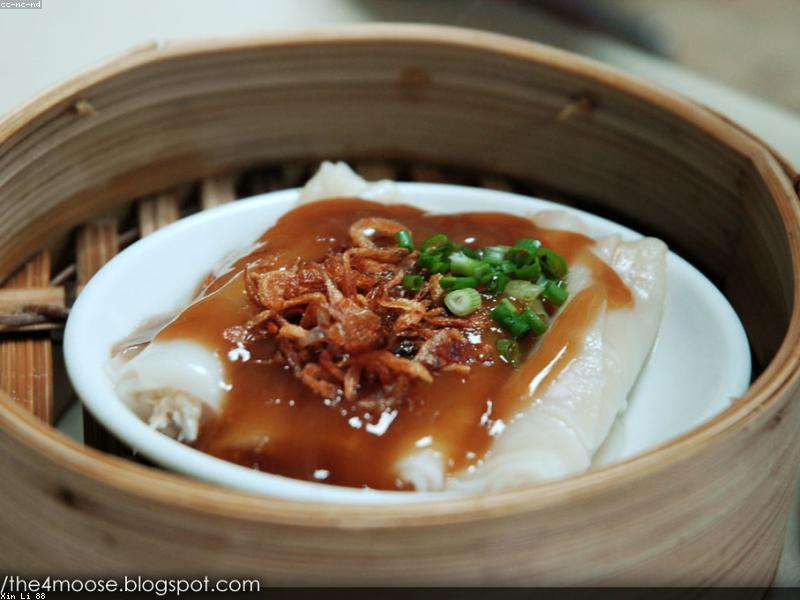
- Cheung fun (肠粉): Silky rice noodle rolls filled with shrimp, beef, or char siu, drizzled with sweet soy sauce
- Char siu bao (叉烧包): Fluffy steamed buns filled with barbecue pork in sweet-savory sauce
- Phoenix claws (凤爪): Braised chicken feet in black bean sauce — a dim sum staple for the adventurous
- Egg tarts (蛋挞): Flaky pastry shells filled with silky custard, a legacy of Portuguese influence via Macau
A proper yum cha session involves multiple rounds of tea (jasmine, chrysanthemum, pu-erh) and as many steamers as the table can hold.
Roast Meats (烧味, Siu Mei)
Cantonese roast meats are a category unto themselves, displayed in the windows of dedicated shops with glistening, lacquered skins. The stars include:
- Char siu (叉烧): Barbecue pork marinated in honey, five-spice, and red fermented tofu, roasted until caramelized and slightly charred
- Siu yuk (烧肉): Roast pork belly with impossibly crispy, crackling skin, achieved through a meticulous process of pricking, drying, and blistering the skin
- Siu ngo (烧鹅): Roast goose, the pride of Cantonese kitchens, basted and roasted until the skin is mahogany and the meat is succulent
These roast meats are typically served over rice as a quick lunch (烧味饭) or as part of a multi-course banquet.
Regional Influences and Global Reach
Cantonese cuisine originated in Guangdong province but spread globally through Chinese diaspora communities, making it the most internationally recognized Chinese cuisine. Hong Kong elevated Cantonese cooking to fine dining, while Chinatown restaurants worldwide introduced Westerners to sweet-and-sour pork, chow mein, and fried rice — all Cantonese in origin. The cuisine's emphasis on technique over spice makes it the most accessible entry point for newcomers to Chinese food.