
Tangyuan and Chinese Dessert Soups: Sweet Rice Balls and Festival Traditions
Published: April 29, 2026
Short Answer
Tangyuan (汤圆) are sweet glutinous rice balls filled with sesame, peanut, or red bean paste, served in a warm sweet soup. They are the signature food of the Lantern Festival and symbolize family reunion and togetherness. Making tangyuan at home is a fun family activity, and the dessert soup variations are endless.
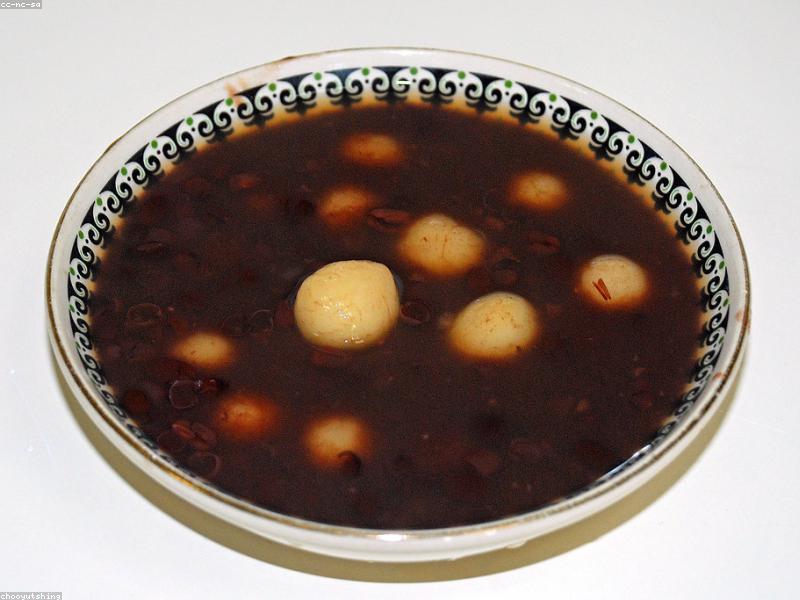
Bowl of tangyuan in sweet ginger soup
Advertisement
Deep Dive
What are Tangyuan?
Tangyuan (汤圆) are round balls made from glutinous rice flour (糯米粉) with sweet fillings:
- Traditional fillings: Black sesame paste (the most classic), crushed peanuts with sugar, red bean paste, and osmanthus flower paste.
- Modern fillings: Chocolate, matcha, taro, fruit, and even ice cream.
- Symbolism: The round shape represents completeness and family reunion. Eating tangyuan together symbolizes harmony and unity.
How to Make Tangyuan at Home
Making tangyuan is surprisingly simple:
Dough:
- Mix glutinous rice flour with warm water (about 2:1 ratio) until a smooth, pliable dough forms.
- The dough should be soft but not sticky. Add more flour if too wet, more water if too dry.
Filling (Black Sesame):
- Toast black sesame seeds until fragrant.
- Grind with sugar in a food processor.
- Mix with softened butter or lard until it forms a paste.
- Freeze the filling for 30 minutes, then roll into small balls.
Assembly:
- Take a small piece of dough, flatten it in your palm.
- Place a filling ball in the center.
- Wrap the dough around the filling, sealing and rolling into a smooth ball.
- Repeat until all dough and filling are used.
Cooking:
- Bring a pot of water to a boil.
- Add tangyuan and stir gently to prevent sticking.
- Cook until they float to the surface (3-5 minutes).
- Serve in the cooking water or in a sweet soup.
Sweet Soup Variations
Tangyuan can be served in various sweet soups:
- Plain sweet soup: Water sweetened with rock sugar. Simple and classic.
- Ginger soup: Water simmered with ginger slices and rock sugar. Warming and soothing.
- Red bean soup: Sweet red bean soup with tangyuan. A hearty combination.
- Osmanthus soup: Water flavored with dried osmanthus flowers and rock sugar. Fragrant and delicate.
- Fermented rice soup (酒酿): Sweet fermented rice with tangyuan and egg. A traditional combination.
- Black sesame soup: Ground black sesame cooked into a thick, sweet soup with tangyuan.
Festival Traditions
Tangyuan are associated with specific festivals:
- Lantern Festival (元宵节): The 15th day of the first lunar month. Eating tangyuan is the defining tradition of this festival, which marks the end of Spring Festival celebrations.
- Winter Solstice (冬至): In southern China, eating tangyuan on the winter solstice is a major tradition. The saying goes: "Eating tangyuan on the winter solstice means you've grown a year older."
- Weddings and celebrations: Tangyuan are served at weddings and other celebrations to symbolize sweetness and togetherness.
Regional Variations
- Southern style (汤圆): Smaller, with a smooth, thin dough and sweet fillings. The dough is made by mixing flour with water.
- Northern style (元宵): Larger, with a thicker, chewier dough. The filling is rolled in dry flour repeatedly until it forms a ball. The texture is different from southern tangyuan.
- Ningbo style: Famous for their black sesame tangyuan with a liquid filling that oozes when you bite into them.
Tips for Perfect Tangyuan
- Use warm water for the dough; cold water makes it crack.
- Keep unused dough covered with a damp cloth to prevent drying.
- Do not overcook; tangyuan become mushy if boiled too long.
- Freeze uncooked tangyuan on a baking sheet, then transfer to a bag for storage.