
Stir-Fry Techniques for Beginners: Wok Hei, High Heat, and Common Mistakes
Published: April 29, 2026
Short Answer
Stir-frying is the foundation of Chinese cooking, requiring high heat, quick movement, and proper preparation. The key to great stir-fry is "wok hei" (镬气), the smoky, charred flavor that comes from cooking at extreme temperatures. Mastering mise en place (prepping all ingredients before cooking), using the right oil, and avoiding overcrowding the wok are essential skills for beginners.
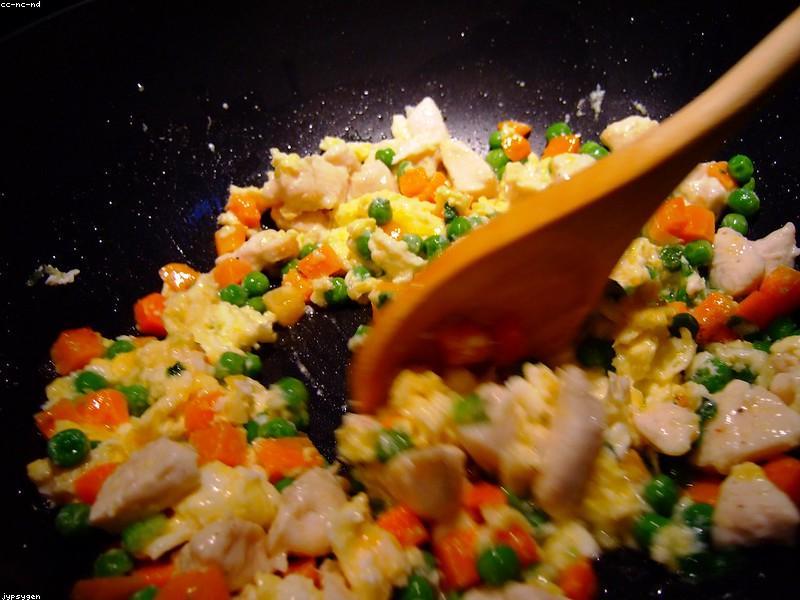
Wok with flames and stir-fry ingredients
Advertisement
Deep Dive
Understanding Wok Hei
Wok hei (镬气) is the soul of Chinese stir-frying:
- What it is: A complex, smoky, slightly charred flavor that can only be achieved by cooking at extremely high temperatures. The Chinese describe it as "breath of the wok."
- How it works: When food contacts a superheated wok, the Maillard reaction occurs almost instantly, creating hundreds of flavor compounds. The oil vaporizes and ignites briefly, adding smoky depth.
- Why it matters: Wok hei is what separates restaurant-quality stir-fries from home-cooked versions. It adds a depth of flavor that cannot be replicated by other cooking methods.
Essential Stir-Fry Preparation
Mise en place is critical for stir-frying:
- Cut ingredients uniformly: All pieces should be roughly the same size for even cooking. Slice meat against the grain for tenderness.
- Marinate proteins: A simple marinade of soy sauce, rice wine, cornstarch, and sesame oil adds flavor and tenderizes meat. Marinate for 15-30 minutes.
- Prepare sauce in advance: Mix your sauce ingredients in a bowl before you start cooking. Stir-frying happens too fast to measure ingredients mid-cook.
- Have everything within reach: Once the wok is hot, there is no time to chop or measure. Arrange all ingredients in order of cooking.
The Stir-Fry Process
Follow this sequence for perfect stir-fry:
- Heat the wok: Place the wok on high heat for 2-3 minutes until it starts to smoke. This is the most important step.
- Add oil: Pour in a high-smoke-point oil (peanut, vegetable, or avocado oil). Swirl to coat the surface.
- Aromatics first: Add garlic, ginger, and scallions. Stir for 10-15 seconds until fragrant.
- Protein next: Add marinated meat or seafood. Spread in a single layer and let it sear for 30 seconds before stirring. Cook until just done, then remove.
- Vegetables: Add vegetables in order of cooking time (hardest first). Stir constantly.
- Return protein: Add the cooked protein back to the wok.
- Add sauce: Pour the prepared sauce around the edge of the wok (not directly on the food). Toss everything together.
- Finish: Add a drizzle of sesame oil, toss once more, and serve immediately.
Common Stir-Fry Mistakes
- Overcrowding the wok: Too many ingredients lower the temperature, causing food to steam rather than fry. Cook in batches if needed.
- Not heating the wok enough: A cold wok leads to soggy, steamed food. Wait until the wok smokes before adding oil.
- Stirring too much: Let food sear before stirring. Constant movement prevents the Maillard reaction.
- Using the wrong oil: Olive oil and butter have low smoke points and will burn. Use peanut, vegetable, or avocado oil.
- Adding sauce too early: Sauce should go in at the end, after the food is cooked. Adding it too early creates a soggy mess.
- Not prepping in advance: Stir-frying happens in minutes. If you stop to chop, the food will overcook.
Essential Stir-Fry Sauces
- Basic stir-fry sauce: 2 tbsp soy sauce, 1 tbsp oyster sauce, 1 tsp sesame oil, 1 tsp sugar, 1 tsp cornstarch.
- Sichuan sauce: 1 tbsp doubanjiang (fermented bean paste), 1 tbsp soy sauce, 1 tsp sugar, 1 tsp Sichuan peppercorn oil.
- Black bean sauce: 2 tbsp fermented black beans, 1 tbsp soy sauce, 1 tbsp rice wine, 1 tsp sugar.
- Sweet and sour sauce: 2 tbsp rice vinegar, 2 tbsp sugar, 1 tbsp ketchup, 1 tbsp soy sauce.