
Hot pot: a beginner's guide to China's most social meal
Published: April 29, 2026
Short Answer
Hot pot (火锅, huǒguō) is a communal dining experience where a simmering pot of broth sits at the center of the table and diners cook raw ingredients — thinly sliced meats, vegetables, tofu, and noodles — themselves. It originated in China over 1,000 years ago and varies dramatically by region, from Sichuan's fiery mala broth to Cantonese mild herbal soups and Beijing's copper coal-pot.
A bubbling split hot pot with red and clear broth surrounded by plates of raw ingredients
Advertisement
Deep Dive
Regional Hot Pot Styles
Hot pot is not one dish but an entire category of dining, and each region of China has its own take:
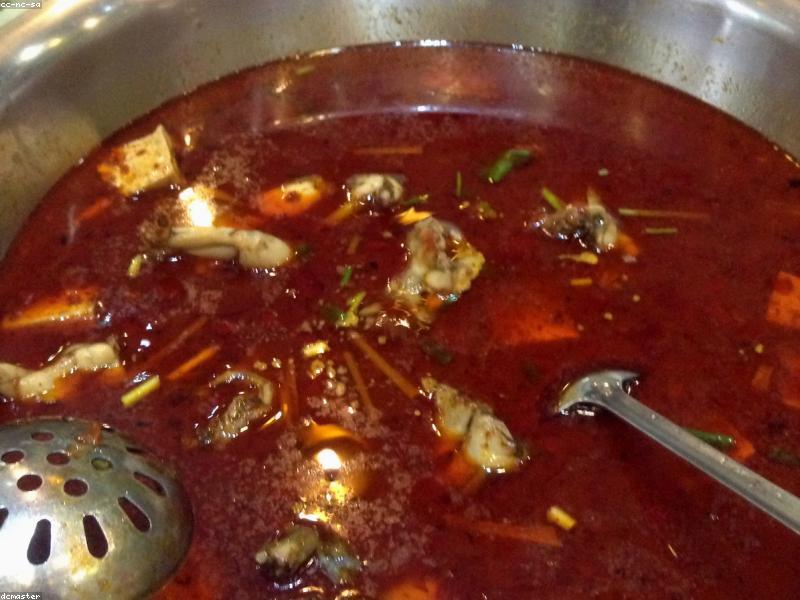
Sichuan Hot Pot (四川火锅): The most internationally famous style uses a broth of beef tallow, dozens of dried chilies, whole Sichuan peppercorns, doubanjiang, and aromatics. The broth is aggressively spicy and numbing — the kind of heat that makes your lips tingle and your forehead sweat. Traditional Sichuan hot pot uses organ meats, duck intestine, tripe, and blood tofu alongside more familiar ingredients. Chongqing and Chengdu argue endlessly about whose hot pot is superior.
Cantonese Hot Pot (打边炉, dǎ biān lú): Cantonese hot pot favors a clear, mild broth — often made with chicken, Chinese herbs, coconut water, or fish — that highlights the freshness of the ingredients rather than the heat of the soup. Thinly sliced fresh seafood, fish balls, and leafy greens take center stage. The dipping sauce is typically a simple mixture of soy sauce, chili oil, and satsuma orange peel.
Beijing Copper Pot Hot Pot (老北京铜锅涮肉): Beijing's traditional hot pot uses a tall, chimney-style copper pot heated by charcoal. The broth is simple — just water with ginger, scallion, and dried shrimp. The star ingredient is hand-sliced lamb, rolled paper-thin and swished in the boiling broth for mere seconds. The dipping sauce is sesame paste-based (麻酱, májiàng), enriched with fermented tofu, chive flower paste, and chili oil.
Yunnan Hot Pot: Uses wild mushrooms as both broth base and main ingredient, reflecting Yunnan's extraordinary fungal biodiversity. Mushroom hot pot is mild but deeply umami.
Building Your Sauce
The sauce bar (调料台, tiáoliào tái) is a make-or-break element of the hot pot experience. Most hot pot restaurants offer a DIY sauce station with dozens of options. Common building blocks include:
- Sesame paste (麻酱): The base for northern-style sauces, rich and nutty
- Soy sauce: Salty umami foundation
- Sesame oil: Adds richness and helps cool the spice
- Chopped garlic: Raw or fried, essential for aroma
- Chili oil or fresh chilies: For heat
- Cilantro, scallion, peanuts: Freshness and texture
- Fermented tofu (腐乳): Funky, salty, creamy — a secret weapon
A classic Sichuan sauce combines sesame oil, garlic, cilantro, and scallion. A Beijing sauce starts with sesame paste and adds chive flower paste. Mix, taste, adjust.
Essential Hot Pot Ingredients
The beauty of hot pot is its infinite customization, but certain ingredients are universal:
- Thinly sliced meats: Lamb, beef belly, pork — frozen and sliced paper-thin so they cook in seconds
- Tripe and offal: Duck intestine, beef tripe, and pork brain are hot pot staples in Sichuan
- Tofu products: Firm tofu, frozen tofu (absorbs broth beautifully), tofu skin rolls
- Leafy greens: Napa cabbage, lettuce, watercress — add these at the end when the broth is most flavorful
- Mushrooms: Enoki, shiitake, oyster mushrooms, and wood ear
- Noodles and dumplings: Glass noodles, instant noodles, and mini dumplings are dropped in last to soak up the rich broth
Hot Pot Etiquette
A few rules make the communal experience smooth: use your serving chopsticks (not your eating ones) to add food to the pot. Do not dump everything in at once — cook in small batches, especially meats. Let the broth return to a boil between additions. Fish balls and root vegetables go in first since they take longest; leafy greens and sliced meats go in last. If you are sharing a split pot, keep spicy ingredients on the spicy side to avoid contaminating the mild broth.