
How to make Chinese dumplings: dough, fillings, and folding techniques
Published: April 29, 2026
Short Answer
Chinese dumplings (饺子, jiǎozi) start with a simple flour-and-water dough, filled with seasoned pork and vegetables, then boiled, steamed, or pan-fried. The dough should be soft but not sticky, fillings must be well-seasoned and slightly wet, and the classic pleated fold takes practice but ensures the dumpling seals properly during cooking.
Hands folding dumplings on a wooden cutting board with a bowl of filling
Advertisement
Deep Dive
Making the Dough
The dough for Chinese dumplings is deceptively simple: just flour and water, with a pinch of salt. The ratio is roughly 2 cups of all-purpose flour to ¾ cup of room-temperature or cold water (some recipes use boiling water for a more translucent, chewy wrapper, but cold water produces a firmer, more traditional texture). Knead for 8–10 minutes until smooth, then rest covered for at least 30 minutes — this relaxes the gluten and makes rolling much easier. The dough should feel like an earlobe: soft, smooth, and yielding. If it is too sticky, dust with flour. If it cracks when you roll it, it needs more resting time.
Choosing Your Filling
The classic filling is ground pork with napa cabbage (白菜猪肉), but variations are endless. Key principles for any filling:
- Season aggressively. The filling must taste good on its own, since the wrapper dilutes flavor. Soy sauce, sesame oil, white pepper, ginger, and scallion are the base.
- Add moisture. Mix in a splash of water or ginger-infused broth and stir in one direction until the meat becomes sticky and slightly elastic. This creates juicy dumplings.
- Salt the vegetables. If using cabbage, bok choy, or chives, salt them first, squeeze out excess water, then mix into the meat. Watery fillings make soggy dumplings.
- Popular combinations: Pork and chive (猪肉韭菜), shrimp and pork (三鲜), lamb and carrot (羊肉胡萝卜), and mushroom and wood ear (素馅) for vegetarian dumplings.
Folding Techniques
The most common fold is the pleated crescent, which creates a dumpling that sits upright and has a beautiful crimped edge:
- Place about 1 tablespoon of filling in the center of a round wrapper
- Fold the wrapper in half, pinching the top center to seal
- With your dominant hand, create 5–7 pleats on the front side, pressing each pleat against the flat back side
- Pinch the edges firmly to ensure no gaps — any opening will cause the dumpling to burst during cooking
- The finished dumpling should have a flat bottom (for pan-frying) and a curved top
For beginners, the half-moon fold (simply pressing edges together) is perfectly acceptable. You can also use a fork to crimp the edges for a quick seal.
Three Ways to Cook
Boiled (水饺, shuǐjiǎo): Drop dumplings into boiling water. When the water returns to a boil, add a cup of cold water. Repeat three times. The dumplings are done when they float and the wrappers look translucent. Serve with a dipping sauce of black vinegar, soy sauce, and chili oil.
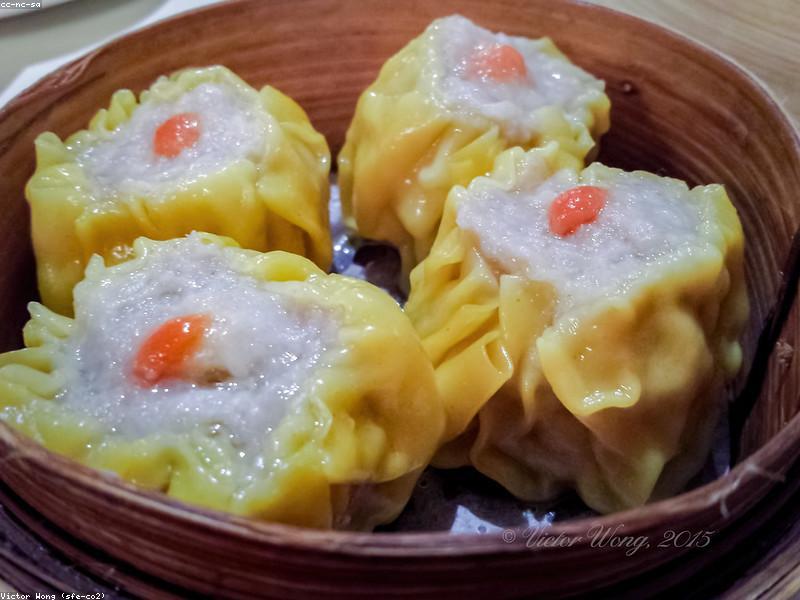
Steamed (蒸饺, zhēngjiǎo): Place dumplings on oiled parchment paper in a bamboo steamer over boiling water. Steam for 10–12 minutes. Steamed dumplings have a softer, more delicate wrapper.
Pan-fried (锅贴, guōtiē): Heat oil in a non-stick pan, arrange dumplings flat-side down, and fry until the bottoms are golden and crispy. Add ¼ cup of water, cover immediately, and steam for 5–6 minutes until the water evaporates. The result is crispy on the bottom, tender on top — the best of both worlds.
The Lunar New Year Tradition
Making dumplings together is a cornerstone of Chinese New Year celebrations in northern China. Families gather on New Year's Eve to wrap hundreds of dumplings, hiding a coin inside one for good luck. The dumplings are eaten at midnight, symbolizing wealth because their shape resembles ancient Chinese gold ingots (元宝). This tradition is so central to northern Chinese identity that saying goodbye to the old year is literally called "passing the year" (过年, guònián), and dumplings are the food that carries you across.