
Dim sum ordering guide for beginners: what to eat and how to order
Published: April 29, 2026
Short Answer
Dim sum (点心) is a Cantonese tradition of small plates served with tea, typically eaten as a weekend brunch. For beginners, start with har gow (shrimp dumplings), siu mai (pork dumplings), and char siu bao (BBQ pork buns) — the "holy trinity" of dim sum — then branch out to rice rolls, chicken feet, and custard buns as you gain confidence.
Rows of bamboo steamers filled with various dim sum dishes on a round table
Advertisement
Deep Dive
What Is Dim Sum and Why "Yum Cha"?
Dim sum literally means "touch the heart" (点心, diǎnxīn) — these small dishes are meant to satisfy the heart as much as the stomach. The tradition originated in Guangzhou's teahouses along the ancient Silk Road, where travelers stopped to rest and drink tea. Teahouse owners began offering small snacks to accompany the tea, and the practice of "yum cha" (饮茶, drinking tea) was born. Today, dim sum is inseparable from the tea that accompanies it. The phrase "yum cha" encompasses the entire ritual: the tea, the food, the conversation, and the unhurried pace. Dim sum is a weekend affair for most Chinese families — Saturday or Sunday morning, three generations gathered around a round table.
The Essential Dim Sum Dishes
Har Gow (虾饺): Translucent shrimp dumplings with a pleated wheat starch wrapper. The wrapper should be thin enough to see the pink shrimp through it, yet sturdy enough not to tear when picked up. Har gow is the benchmark dish by which dim sum chefs are judged — the pleats should number at least seven and the shrimp should be bouncy and sweet.
Siu Mai (烧卖): Open-topped dumplings of pork and shrimp wrapped in thin yellow skin, often topped with a dot of crab roe or a pea. Unlike har gow, siu mai has no pleating — the wrapper is gathered around the filling like a drawstring purse.
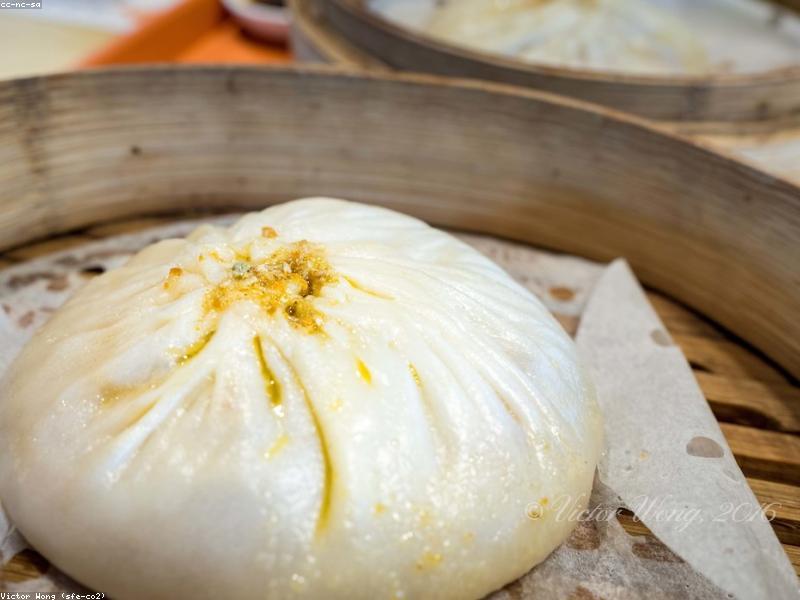
Char Siu Bao (叉烧包): Fluffy steamed buns filled with sweet-savory barbecue pork. The best char siu bao "smile" when steamed — the tops crack open, revealing the filling inside. There is also a baked version with a golden, glazed top.
Cheung Fun (肠粉): Silky rice noodle rolls, steamed until translucent and slippery, filled with shrimp, beef, or char siu. Drizzled with sweet soy sauce, the texture is unlike anything in Western cuisine — smooth, delicate, and slightly chewy.
Phoenix Claws (凤爪): Braised chicken feet in black bean sauce. This is the dish that separates dim sum beginners from veterans. The texture is gelatinous, the flavor is deeply savory, and the collagen is supposedly good for your skin.
Lo Bak Go (萝卜糕): Turnip cake (actually made from daikon radish) mixed with dried shrimp and Chinese sausage, steamed into a firm cake, then pan-fried until crispy on both sides. A dim sum staple.
Egg Tarts (蛋挞): Flaky pastry shells filled with silky custard, served warm. The perfect finish to a dim sum meal.
Tea Pairing
Tea is not optional at dim sum — it is fundamental. Common choices include:
- Chrysanthemum (菊花茶): Light, floral, believed to cool the body — pairs well with fried items
- Jasmine (茉莉花茶): Fragrant and clean, the most popular dim sum tea in northern China
- Pu-erh (普洱): Rich and earthy, excellent for cutting through the oil of fried dim sum
- Tieguanyin (铁观音): Floral oolong that complements delicate steamed dishes
- Shoumei (寿眉): A mild white tea for those who prefer something gentle
How to Order at a Traditional Dim Sum Restaurant
In traditional dim sum halls, servers push carts through the dining room and you point at what you want. This system is fading in modern restaurants, where you mark items on a paper checklist or order from a tablet. Either way, the procedure is similar:
- Sit down and order tea first. The tea is selected before any food.
- Start with steamed items (har gow, siu mai, char siu bao) — these are best fresh from the steamer.
- Move to fried and baked items (turnip cake, spring rolls, egg tarts).
- Add congee or noodles if you are still hungry — these are filler dishes.
- Finish with sweets (egg tarts, mango pudding, sesame balls).
- Never fill your teapot yourself. When your teapot is empty, leave the lid open or propped at an angle — this signals to staff that you need a refill.
Dim Sum Etiquette
- Tap two fingers on the table when someone pours your tea — this is the silent thank-you
- Never stick chopsticks upright in rice — this resembles incense at a funeral
- Use serving utensils (or the clean end of your chopsticks) to take food from communal plates
- Pour tea for others before yourself
- It is acceptable to eat dim sum with your hands for certain items (buns, egg tarts, sesame balls)
- Slurping is not rude — it shows you are enjoying the food