
Common Chinese Superstitions You Should Know: Numbers, Colors, and Gifts
Published: April 29, 2026
Short Answer
Chinese superstitions influence daily life, from choosing phone numbers to giving gifts. The number 4 is avoided because it sounds like "death," while 8 is prized for its association with wealth. Certain gifts like clocks, umbrellas, and shoes are taboo. Understanding these superstitions helps you avoid unintentional offense and shows cultural awareness.
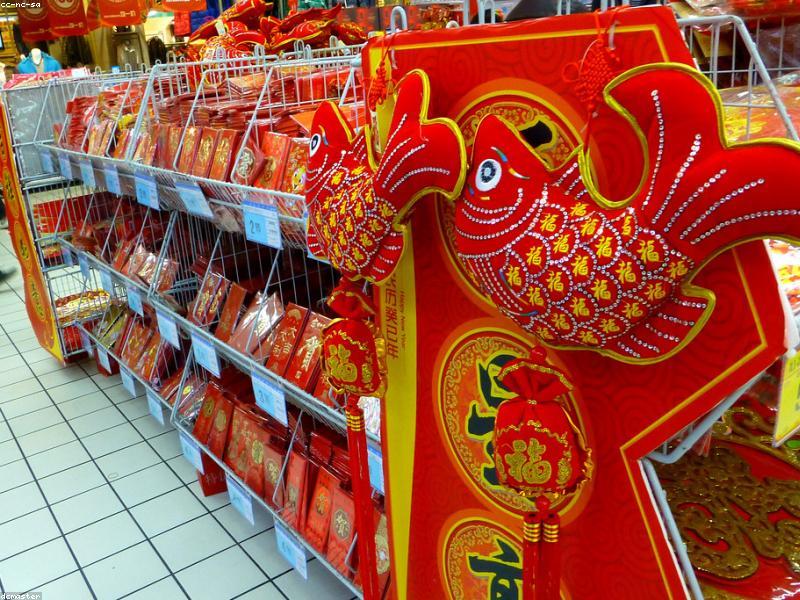
Chinese red decorations and lucky symbols
Advertisement
Deep Dive
Number Superstitions
Numbers play a huge role in Chinese superstition:
- Unlucky numbers:
- 4 (四, sì): The most avoided number because it sounds similar to 死 (sǐ, death). Many buildings skip the 4th floor, and phone numbers with 4 are considered unlucky.
- 14: Even worse than 4, as it sounds like "will die" (要死, yào sǐ).
- 250 (二百五, èr bǎi wǔ): Means "idiot" or "stupid person." Avoid giving gifts or money in this amount.
- Lucky numbers:
- 8 (八, bā): The luckiest number, sounding like 发 (fā, prosperity). Phone numbers and license plates with 8 command premium prices.
- 6 (六, liù): Sounds like 流 (liú, smooth/flowing), symbolizing everything going smoothly.
- 9 (九, jiǔ): Sounds like 久 (jiǔ, long-lasting), symbolizing longevity and eternity.
- 168: Combines 1 (一, yī, meaning "want"), 6 (六, liù, meaning "smooth"), and 8 (八, bā, meaning "prosper"). A very popular number for businesses.
Color Superstitions
Colors carry deep symbolic meaning:
- Red: The luckiest color, symbolizing prosperity, happiness, and good fortune. Used extensively during weddings, festivals, and celebrations.
- Gold/Yellow: Associated with wealth, royalty, and power. Often paired with red for maximum luck.
- White: Associated with death and funerals. Avoid wearing all-white outfits to celebrations.
- Black: Also associated with mourning and bad luck. Avoid for gifts and celebrations.
- Green: Can be unlucky in certain contexts. Wearing a green hat (戴绿帽子) means your spouse is unfaithful. Never give someone a green hat.
- Blue: Generally neutral but can be associated with ghostliness in some regional beliefs.
Gift-Giving Taboos
What NOT to give as gifts in China:
- Clocks (送钟, sòng zhōng): Sounds like 送终 (sòng zhōng), meaning "attending a funeral." The most taboo gift. Never give a clock, watch, or any timepiece.
- Umbrellas (伞, sǎn): Sounds like 散 (sàn, to separate). Giving an umbrella implies you want the relationship to end.
- Shoes (鞋, xié): Sounds like 邪 (xié, evil). Also implies the person should walk away from you.
- Pears (梨, lí): Sounds like 离 (lí, to separate). Never share a pear with someone.
- Sharp objects (knives, scissors): Imply cutting the relationship. If you must give a knife, ask for a small coin in return to change the dynamic.
- Handkerchiefs: Associated with crying and saying goodbye.
- Green hats: As mentioned, implies infidelity.
- Chrysanthemums: Associated with funerals. Do not give them as gifts.
- White or black wrapping paper: Associated with mourning. Use red or gold wrapping instead.
Mirror Superstitions
Mirrors have specific superstitions:
- Broken mirrors: Bring seven years of bad luck (similar to Western superstition).
- Mirrors facing the bed: Considered bad feng shui. Can cause nightmares and restless sleep.
- Mirrors facing the front door: Bad feng shui. Reflects good energy back out of the house.
- Covering mirrors during sleep: Some people cover mirrors in their bedroom at night to avoid seeing ghosts.
Other Common Superstitions
- Opening an umbrella indoors: Brings bad luck, similar to Western superstition.
- Whistling at night: Attracts ghosts and spirits.
- Pointing at the moon: The moon goddess will cut your ear in your sleep.
- Stepping on someone's shadow: Considered rude and can bring bad luck.
- Sleeping with your head facing north: Bad feng shui. Sleep with your head facing south for good energy.
- Writing names in red ink: Red ink is used for writing the names of the deceased. Never write a living person's name in red.
- Fish head pointing at the guest: At a dinner, the fish head should point toward the most honored guest. Turning the fish over (翻鱼) is bad luck for fishermen.
How to Navigate Superstitions
- You do not need to believe in these superstitions, but respecting them shows cultural awareness.
- When giving gifts, err on the side of caution. Fruit, tea, wine, and red envelopes are always safe.
- If you accidentally break a superstition, apologize and your Chinese friends will likely laugh it off.
- Business people tend to be more superstitious than average. Be especially careful in business contexts.