
Bathroom Etiquette in China: Squat Toilets, Tissue, and Public Restroom Tips
Published: April 29, 2026
Short Answer
Chinese bathrooms can be a culture shock for first-time visitors. Squat toilets are still common, especially outside major cities, and you should always carry your own tissues. Modern malls and hotels have Western-style toilets, but public restrooms often lack soap, seat covers, and sometimes even doors. Knowing what to expect will help you prepare and avoid uncomfortable situations.
Modern Chinese public restroom facility
Advertisement
Deep Dive
Squat Toilets: What to Expect
Squat toilets (蹲厕) are still prevalent across China, particularly in older buildings, train stations, public parks, and smaller cities:
- How they work: A porcelain or ceramic trough is set into the floor. You squat over it facing the wall (the hooded end). This is actually more hygienic since your body does not touch any surface.
- Adjustment period: If you are not used to squatting, it can be physically challenging. Practice squatting at home before your trip. If you have knee problems, look for Western-style stalls, which are increasingly available.
- Flushing: Many squat toilets have a foot pedal or a pull chain. Some have a button on the wall. In older facilities, there may be a bucket of water with a scoop for manual flushing.
Toilet Paper and Tissues
This is perhaps the most important tip for anyone visiting China:
- Always carry tissues: Many public restrooms do not provide toilet paper. Even if they do, it may run out. Buy small tissue packets (纸巾, zhǐjīn) from any convenience store.
- Do not flush paper in older facilities: In many older buildings and public restrooms, the plumbing cannot handle toilet paper. There will be a bin next to the toilet for used paper. This is normal and expected.
- Modern facilities: High-end malls, airports, and newer buildings generally have toilet paper and modern plumbing that can handle it.
Finding Clean Restrooms
Not all restrooms are created equal. Here is where to find the best ones:
- Shopping malls: Modern shopping centers have the cleanest public restrooms, often with attendants.
- Hotels: Even if you are not a guest, hotel lobby restrooms are usually clean and well-maintained.
- McDonald's and KFC: These fast-food chains reliably have clean Western-style restrooms.
- Starbucks and other coffee shops: Similar to fast food chains, these are reliable options.
- Train stations and airports: Major transit hubs have improved their restrooms significantly, though they can be crowded.
- Avoid: Public park restrooms, older residential area restrooms, and highway rest stops tend to be the least pleasant.
Restroom Signs and Navigation
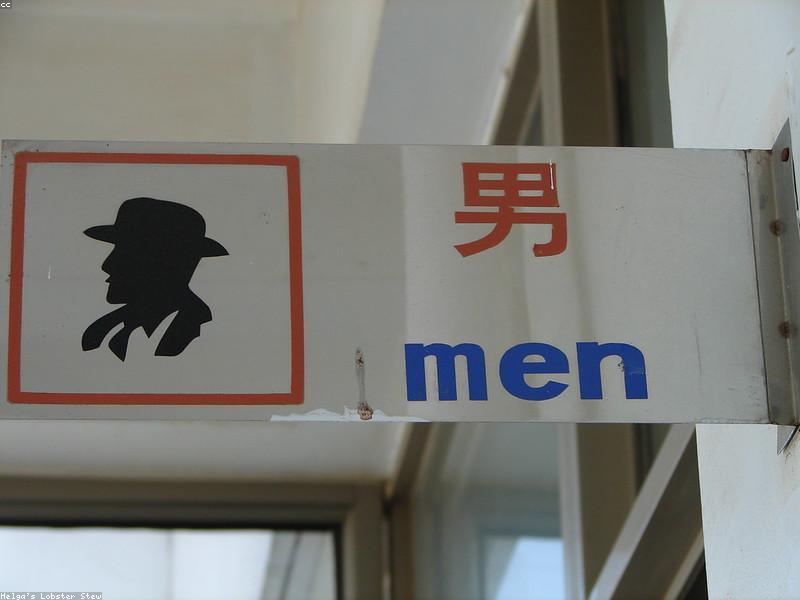
- Men's room: 男 (nán) or 男厕 (nán cè)
- Women's room: 女 (nǚ) or 女厕 (nǚ cè)
- Western-style toilet: 坐便 (zuò biàn)
- Squat toilet: 蹲便 (dūn biàn)
- Occupied/Vacant: Many modern restrooms have electronic indicators showing which stalls are free.
What to Bring
Prepare a small bathroom kit when exploring China:
- Tissues: The most essential item. Keep a pack in your bag at all times.
- Hand sanitizer: Soap is not always available, even in otherwise clean restrooms.
- Wet wipes: Useful for freshening up, especially in summer.
- Small plastic bag: For disposing of used tissues in restrooms that require it.
Cultural Notes
- Bathroom attendants: Many public restrooms have attendants who keep them clean. It is polite to acknowledge them, and a small tip (1-2 yuan) is appreciated but not required.
- Privacy: Some older restrooms have partial or no doors on stalls. This is becoming less common but still exists in some areas. People generally do not look or care.
- Smoking: Smoking in restrooms, even men's rooms, is common in some areas, though increasingly prohibited in cities.