
Photo Etiquette in China: Asking Permission, Temples, and Selfie Culture
Published: April 29, 2026
Short Answer
China has a vibrant selfie and photography culture, but there are important boundaries to respect. Always ask permission before photographing individuals, especially in rural areas. Religious sites, military installations, and some government buildings prohibit photography. Understanding these rules will help you capture great photos without causing offense.
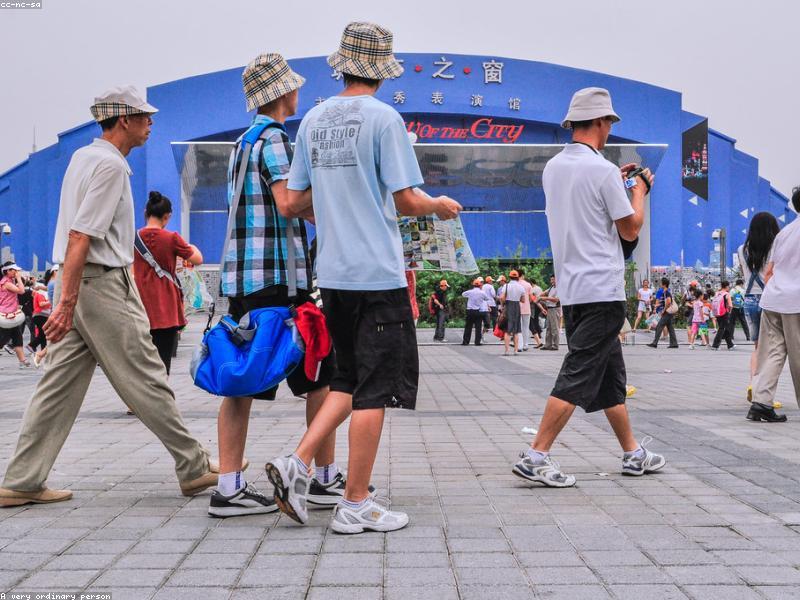
Tourist photographing Chinese temple architecture
Advertisement
Deep Dive
Asking Permission
Photographing people in China requires sensitivity:
- Urban areas: In major cities, people are generally accustomed to being photographed, especially in tourist areas. Many will happily pose for photos, and some may even ask to take photos with you.
- Rural areas: In smaller towns and villages, people may be more reserved. Always ask permission first, either verbally or by gesturing with your camera. A smile and a thumbs up go a long way.
- Elderly people: Some older Chinese people are superstitious about having their photo taken, believing it captures part of their soul. If someone declines, respect their wishes gracefully.
- Children: Never photograph children without parental consent. Some parents will be happy to let you, while others may be protective.
- Street vendors and workers: A quick gesture toward your camera and a questioning look usually suffices. Most people will nod, and offering to buy something from them is a nice gesture.
Where Photography is Prohibited
China has strict rules about photography in certain locations:
- Military areas: Photography of military installations, personnel, and equipment is strictly forbidden. This includes military bases, barracks, and sometimes even military vehicles.
- Government buildings: Many government buildings prohibit photography, including some courthouses, police stations, and administrative offices.
- Border areas: Photography near international borders, especially sensitive ones like the India-China border, is restricted.
- Some train stations: While most train stations allow photography, some security-sensitive stations may prohibit it.
- Certain museums: Some museums allow photography but prohibit flash. Others ban photography entirely. Always check for signs.
Temple and Religious Site Photography
China's temples, monasteries, and religious sites are among the most photogenic locations, but they come with specific rules:
- Buddhist temples: Most allow photography in outdoor areas but may prohibit it inside main worship halls. Flash photography is almost always forbidden inside.
- Taoist temples: Similar rules to Buddhist temples. Respect any signs prohibiting photography.
- Confucian temples: Generally more relaxed about photography, but still show respect.
- Mosques: Ask permission before photographing. Some mosques prohibit photography entirely, especially during prayer times.
- Active religious services: Never photograph worshippers during active religious ceremonies without explicit permission.
Selfie Culture in China
China has one of the world's most active selfie cultures:
- Selfie sticks: Extremely popular and widely used at tourist sites. You can buy them everywhere for very cheap.
- Group photos: Chinese tourists love group photos and will often ask foreigners to join them. This is a genuine gesture of friendliness.
- Filters and apps: Chinese photo apps like Meitu (美图) are incredibly popular and use heavy filters. Do not be surprised if people edit photos extensively.
- Food photography: Photographing food before eating is very common and socially accepted. Many restaurants have good lighting specifically for this purpose.
Drone Photography
Drone regulations in China are strict:
- Registration required: All drones over 250 grams must be registered with the Civil Aviation Administration of China (CAAC).
- No-fly zones: Drones are prohibited near airports, military areas, government buildings, and crowded public spaces.
- Urban restrictions: Many cities have banned or heavily restricted drone flights. Check local regulations before flying.
- Tourist sites: Most major tourist attractions prohibit drones.
Tips for Better Photos in China
- Golden hours: Chinese architecture and landscapes photograph beautifully during sunrise and sunset.
- Respect barriers: If there is a rope or barrier at a tourist site, do not cross it for a photo.
- Be aware of security: Security guards may ask you to delete photos if you photograph restricted areas. Comply politely.
- Back up your photos: Carry a portable hard drive or use cloud storage, especially on longer trips.