
Can I self-drive in Xinjiang?
Published: April 29, 2026
Short Answer
Yes, foreigners can self-drive in most parts of Xinjiang, but you need a Chinese driver's license (an International Driving Permit alone is not accepted). Expect frequent security checkpoints, long stretches between gas stations, and some of the most jaw-dropping scenery on the planet.
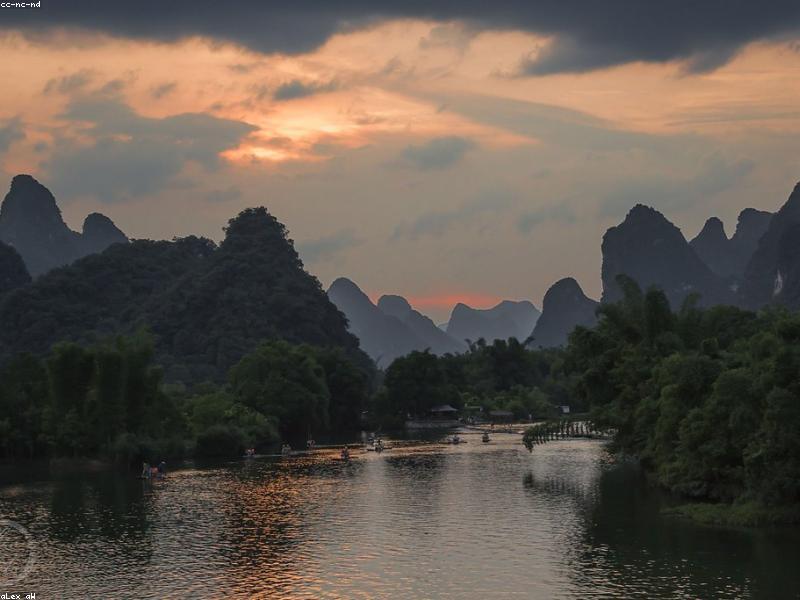
Karst mountains along the Li River in Yangshuo
Advertisement
Deep Dive
License Requirements
This is the first barrier many travelers hit. China does not recognize International Driving Permits or foreign licenses. To legally drive in Xinjiang (or anywhere in China), you must obtain a temporary Chinese driver's license. The process varies slightly by city but generally involves:
- A valid foreign driver's license
- A notarized Chinese translation of your license
- A completed application form at the local Vehicle Management Office
- A brief physical exam (vision check)
- Passport photos
In major cities like Urumqi or Kashgar, this can sometimes be done in a single day. Some rental agencies also help facilitate the process. Plan to handle this before you start driving -- getting caught without a valid Chinese license means fines and potential confiscation of the vehicle.
Road Conditions
Xinjiang is enormous -- it is roughly the size of France, Germany, Spain, and the United Kingdom combined. Road quality varies dramatically. National highways and expressways connecting major cities (Urumqi to Kashgar, for example) are generally excellent: well-paved, well-marked, and with rest stops every 50 to 100 kilometers. However, once you venture into mountain passes, desert edges, or border regions, roads can deteriorate to gravel, dirt, or potholed asphalt. A sturdy SUV or crossover is recommended, though not strictly required for the main routes.
Key Routes
Kashgar to Tashkurgan (Karakoram Highway) -- This is arguably the most spectacular drive in China. The road climbs from Kashgar at 1,300 meters through the Pamir Plateau to Tashkurgan at 3,100 meters, passing snow-capped peaks, turquoise lakes (particularly Karakul Lake), and vast grasslands. The Karakoram Highway continues onward to the Pakistan border, but foreign travelers generally stop at Tashkurgan.
Duku Highway (G217) -- This legendary mountain road connects Dushanzi in the north to Kuqa in the south, cutting through the Tianshan Mountains. It is only open from June to October due to snow. The drive takes you through alpine meadows, past glacial lakes, and through tunnels carved into rock. It is narrow, winding, and thrilling.
Taklamakan Desert Edge -- The desert highway (G580) skirts the southern rim of the Taklamakan, the second-largest shifting-sand desert in the world. Endless dunes stretch to the horizon on one side, with occasional poplar trees and small oasis towns on the other.
Gas Stations and Fuel
Gas stations are common along national highways and near cities, but can be sparse in remote areas. Always fill up when you see a station -- do not assume there will be another one soon. Some stretches between Tashkurgan and Kashgar, or along the desert highway, have gaps of 150 to 200 kilometers between stations. Most stations accept WeChat Pay and Alipay; a few accept cash. Diesel can be harder to find outside major cities.
Security Checkpoints
Xinjiang has a more visible security presence than other parts of China. You will encounter checkpoints on highways, at city entrances, and near border areas. Expect to show your passport and Chinese driver's license. Vehicles may be searched. Lines can be long during holiday periods. This is routine and generally efficient -- stay calm, have your documents ready, and you will be waved through within a few minutes.
Best Season
Late May through early October is the driving season. The Duku Highway typically opens in June and closes in October or November. July and August are warmest but also bring the most domestic tourists and occasional flash floods in mountain areas. September is a sweet spot with golden poplar trees in the desert and cooler temperatures.
Ten-Day Suggested Itinerary
Days 1-2: Arrive in Kashgar, explore Old Town and Sunday Market
Day 3: Drive to Karakul Lake (Karakoram Highway), overnight near the lake
Day 4: Continue to Tashkurgan, explore the stone city
Day 5: Return to Kashgar
Day 6: Fly or drive to Urumqi, rest and resupply
Day 7: Drive north to the Tianshan foothills or Kanas area
Days 8-9: Explore northern Xinjiang (Kanas Lake, Hemu Village, or the Duku Highway if timing allows)
Day 10: Return to Urumqi, depart