How do I get around China without speaking Chinese?
Published: April 29, 2026
Short Answer
Getting around China without speaking Chinese is easier than you might think, thanks to translation apps, metro systems with English signage, and ride-hailing apps. Download Google Translate (with offline Chinese pack) or use the built-in Apple Translate, carry a pointing card with your hotel address in Chinese characters, and use Didi for taxis. China's major cities have invested heavily in English signage for metros, trains, and airports.
Person using a phone for translation at a Chinese street food stall
Advertisement
Deep Dive
Essential Apps to Download Before Arrival
Install these apps before you land in China, as downloading them inside the country can be tricky without a VPN.
Translation Apps
- Google Translate: The camera feature is a lifesaver — point your phone at a Chinese menu, sign, or document and see an instant English translation. Download the Chinese offline language pack before your trip. Works best with a VPN.
- Apple Translate: Pre-installed on iPhones. Works offline with downloaded language packs. The conversation mode lets you speak English and have it play Chinese aloud.
- DeepL Translate: Excellent translation quality. Has a mobile app but needs internet access.
- Baidu Translate: Works without a VPN inside China. The camera translation feature is solid. Download this as your VPN-free backup.
Transportation Apps
- Didi (滴滴): China's Uber. The app has an English interface. Enter your destination in English or paste Chinese characters — it works both ways. Pay through the app with an international credit card. Fares are shown upfront, no haggling.
- Amap (高德地图) or Baidu Maps: China's Google Maps. The interfaces are in Chinese, but the navigation is visual — you can follow the blue dot and route without reading Chinese. Pin your destination on the map if you cannot type Chinese characters.
- 12306 or Trip.com: For booking train tickets. Trip.com has a full English interface and is the easiest option for foreigners. Book high-speed rail tickets days in advance.
Communication Apps
- WeChat: Essential in China. Download it and set up an account before arrival. You will use it for payments, communication, and even ordering food at restaurants.
Practical Tips for Getting Around
The Pointing Card System
This is the single most useful trick for non-Chinese speakers. Prepare a card (or a note on your phone) with these items written in Chinese characters:
- Your hotel name and full address
- Your hotel's phone number
- Key destinations you plan to visit (with addresses)
- "Please take me to..." (请带我去...)
- "How much?" (多少钱?)
- "I am allergic to..." (我对...过敏)
Show the card to taxi drivers, security guards, or anyone you need help from. This works far better than speaking English or showing English text.
Metro Navigation
Every major Chinese city has a metro system, and they are tourist-friendly:
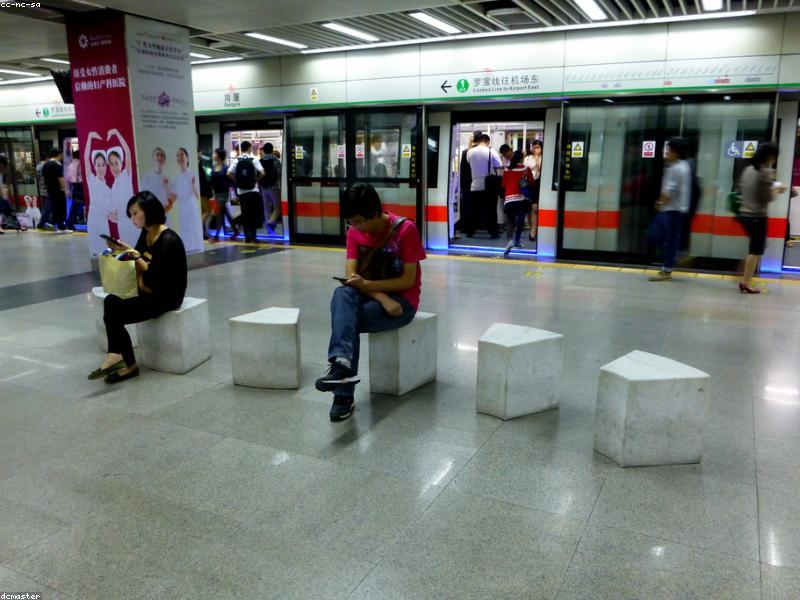
- English signage: All metro stations in Beijing, Shanghai, Guangzhou, Shenzhen, Chengdu, Hangzhou, and Xi'an have English station names on maps, platforms, and announcements.
- Ticket machines: Have an English language option. Select your destination station on the touchscreen map.
- Transit cards: Most cities offer rechargeable transit cards (similar to London's Oyster). In many cities, you can now tap your international bank card directly at the turnstile.
- Mobile QR codes: Metro apps in many cities generate QR codes for entry. Alipay and WeChat Pay can generate transit QR codes that work across cities.
High-Speed Trains
China's high-speed rail network is one of the best in the world, and it is surprisingly foreigner-friendly:
- English announcements: All high-speed trains announce stops in both Chinese and English.
- English station displays: Departure boards show train numbers and destinations in English.
- Boarding: You need your passport (the one you used to book the ticket) to enter the station and board. Scanning gates read passports at most major stations.
- Seat classes: Second class (economical, 5 seats per row), first class (4 seats per row, more legroom), business class (luxury, lie-flat seats).
- Food on board: Dining cars sell meals (30-60 RMB / $4-8) or you can bring your own food. The instant noodle cup is a classic train snack — hot water is free at the end of each car.
Handling Language Barriers in Practice
Most young Chinese people in cities have studied English in school, even if they are shy about using it. Here are strategies that work:
- Speak slowly and use simple words. "Where is metro?" works better than "Could you possibly direct me to the nearest metro station?"
- Use your phone. Type your question in Google Translate, show the Chinese translation on screen. This is more effective than speaking.
- Point at things. Point at the map, point at the menu item, point at the picture. Gestures are universal.
- Hotel front desk is your lifeline. Before leaving your hotel each morning, ask the staff to write your day's destinations in Chinese on a card. Most hotel staff in tourist areas speak basic English.
- Carry your hotel's business card. Every hotel has cards with the address in Chinese. Take several. If you get lost, show it to any taxi driver and they will get you back.
Airport Transfers
- Beijing Capital Airport (PEK): Airport Express train to Dongzhimen (25 RMB, 30 minutes). Taxi to city center: 100-150 RMB ($14-21).
- Shanghai Pudong Airport (PVG): Maglev train to Longyang Road (50 RMB, 8 minutes — fastest train in the world at 430 km/h!). Then metro to your hotel. Taxi to city center: 150-250 RMB ($21-35).
- Use Didi from the airport: Follow signs to the designated ride-hailing pickup area. Enter your destination in the app — no language needed.