
Is Street Food in China Safe to Eat?
Published: April 29, 2026
Short Answer
Yes, street food in China is generally safe -- and often the highlight of any trip. The key is choosing busy stalls with high turnover (fresh ingredients cooked constantly), watching the cooking process, and starting gently if you have a sensitive stomach. Millions of locals eat street food daily without issues, and the hygiene standards at popular vendors have improved significantly in recent years.
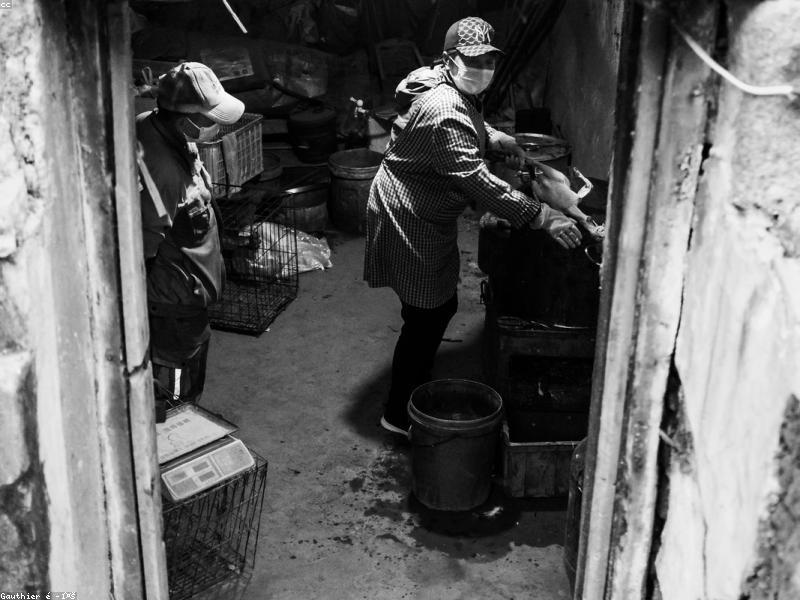
Street food vendor cooking at a night market in China
Advertisement
Deep Dive
How to Pick Safe Street Food Stalls
Not all stalls are created equal. Use these guidelines to find the good ones:
- Follow the crowds. A long line of locals is the single best quality signal. High turnover means fresh ingredients and proven reputation
- Watch the cooking. Choose stalls where food is cooked to order at high heat. Deep-fried and grilled items are generally safer than pre-cooked lukewarm dishes
- Look at the oil. Fresh, clean oil is light amber. Dark, murky, or reused oil is a red flag
- Check the workspace. Relatively clean surfaces, separate raw and cooked areas, and gloves or tongs are good signs
- Avoid raw or cold items from street stalls -- stick to thoroughly cooked food, especially early in your trip
Best Street Foods to Try
Must-try across China:
- Jianbing (煎饼) -- savory crepe with egg, crispy wonton, and sauces. The quintessential Chinese breakfast street food
- Chuan'r (串儿) -- lamb skewers with cumin and chili. Iconic in Beijing and the north
- Baozi (包子) -- steamed buns with pork, beef, or vegetable fillings
- Tanghulu (糖葫芦) -- candied hawthorn berries on a stick. Sweet, tart, and photogenic
- Roujiamo (肉夹馍) -- the "Chinese hamburger," slow-braised meat in a flatbread. Xi'an's pride
City-specific recommendations:
- Chengdu: Rabbit heads, cold noodles (凉粉), spicy wontons (抄手)
- Xi'an: Roujiamo, biangbiang noodles, persimmon cakes
- Shanghai: Shengjianbao (pan-fried soup dumplings), scallion oil noodles
- Guangzhou: Cheung fun (rice noodle rolls), egg waffles, fish balls
- Beijing: Zhajiangmian (noodles with soybean paste), donkey roll pastry
Stomach Preparation
If you're new to Chinese food, ease in gradually:
- First few days: Eat at restaurants and well-established food courts before diving into street food
- Probiotics: Consider starting a probiotic supplement a week before your trip
- Spice levels: Sichuan and Hunan food is intensely spicy. Ask for "微辣" (wēi là, mildly spicy) or "不辣" (bù là, no spice) until you adjust
- Water: Drink bottled or boiled water only. Avoid ice from unknown sources
- Carry medication: Bring Imodium or Pepto-Bismol as a precaution. Local pharmacies also stock these
Night Markets Worth Visiting
China's night markets are cultural experiences as much as food destinations:
- Wangfujing Snack Street, Beijing -- touristy but fun, with exotic options like scorpions on sticks
- Hui Min Street, Xi'an -- authentic Muslim Quarter food with centuries of culinary tradition
- Shangxiajiu, Guangzhou -- classic Cantonese street food in a historic pedestrian street
- Jinli Street, Chengdu -- Sichuan snacks in a beautifully restored ancient street
- Nanjing Confucius Temple area -- duck blood vermillion soup and other Jiangsu specialties
When to Be Cautious
- Street food in extremely tourist-heavy areas tends to be overpriced and lower quality
- Avoid stalls that look abandoned or where food has been sitting out for a long time
- In rural areas, use extra caution -- hygiene infrastructure may be less developed
- Shellfish and raw seafood carry higher risk, especially in summer months