
How do payments work in China?
Published: April 29, 2026
Short Answer
China runs on mobile payments -- WeChat Pay and Alipay dominate nearly every transaction. As a foreigner, you can now link your international credit card to either app, but setting it up before arrival will save you headaches.
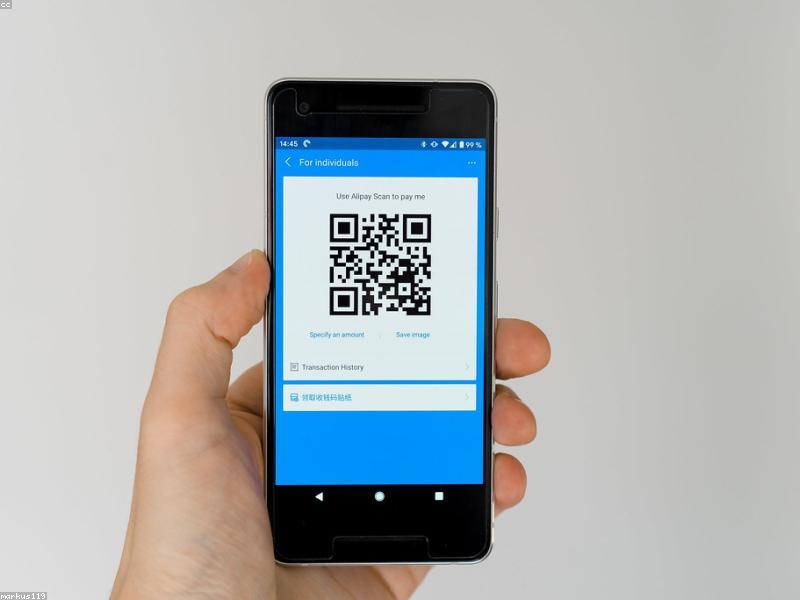
Mobile payment being processed on a phone screen
Advertisement
Deep Dive
The QR Code Economy
China leapfrogged plastic cards entirely. Instead of swiping Visa or Mastercard, people scan QR codes with their phones. You will see these little black-and-white squares literally everywhere: on restaurant tables, taxi dashboards, vending machines, hospital reception desks, and even printed on the vests of street performers. Two apps handle almost all of this: WeChat Pay (tied to the WeChat super-app) and Alipay (run by Ant Group, an Alibaba affiliate). Together they process over 90% of mobile payments in the country.
Setting Up Before You Arrive
Both WeChat Pay and Alipay now allow you to link a foreign Visa, Mastercard, JCB, or Discover card directly. Download the app, register with your phone number, complete the identity verification (passport photo), and add your card. Do this while you still have reliable access to SMS verification at home. The process takes about ten minutes, but occasionally a bank will decline the first attempt -- having a second card as backup is wise. Once linked, you can pay anywhere by scanning a QR code or letting the merchant scan yours.
What About Cash?
Cash is still legal tender in China. Merchants are technically required to accept it. In practice, however, some small vendors will look confused if you hand them a 100-yuan note because they may not have change. ATMs at Bank of China, ICBC, and China Construction Bank reliably dispense cash with foreign cards. Carry a few hundred yuan in small bills for emergencies, but expect to use your phone for 95% of purchases.
Tour Pass and Other Options
Alipay offers a "Tour Pass" feature that lets you load a prepaid balance onto the app using a foreign card, which then works like a local wallet. This is handy if your own bank keeps flagging transactions in China. Some cities also have transit cards (like Beijing's Yikatong or Shanghai's Jiaotong Card) that you can top up with cash and use on the metro and buses.
Tipping Culture
There is none. Tipping is not expected at restaurants, hotels, taxis, or salons in mainland China. In rare cases a luxury hotel porter might accept a small bill if you insist, but it will feel unusual to them. Do not feel pressured to tip -- it simply is not part of the culture.
Street Vendors and Night Markets
Night markets are one of the best parts of traveling in China, and payment is effortless. Each stall has a QR code taped to the counter. You scan it, type the amount the vendor tells you, confirm with your PIN or fingerprint, and done. No fumbling with coins, no waiting for change. If your Mandarin is limited, the vendor will often hold up fingers or show you a calculator to communicate the price.
What If Your Phone Dies?
This is the nightmare scenario in modern China. Without your phone, you cannot pay, cannot show your health or travel codes if needed, and may struggle to navigate. Always carry a power bank. If your phone truly dies and you have no cash, find a hotel front desk or a bank branch -- they can sometimes help you locate an ATM or make a call. Some larger stores still have card terminals for international credit cards, but do not count on it.