How to Use the Metro in Chinese Cities
Published: April 29, 2026
Short Answer
China's metro systems are modern, clean, efficient, and remarkably easy to use even without Chinese. Most major cities have extensive metro networks with bilingual signage and announcements. You can pay with a transit card, WeChat/Alipay QR codes, or even contactless Visa/Mastercard in select cities. A single ride costs 2-10 RMB ($0.30-$1.40).
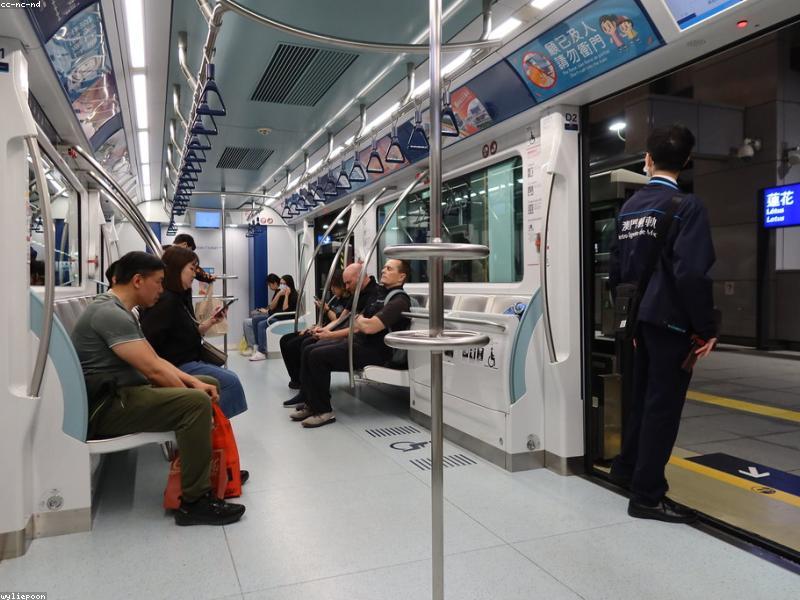
Shanghai Metro station platform
Advertisement
Deep Dive
Cities with Metro Systems
China has metro systems in over 50 cities, with the largest being:
- Shanghai: 20 lines, 800+ km -- the world's longest metro network
- Beijing: 27 lines, 780+ km -- extensive coverage of the capital
- Guangzhou: 18 lines, 620+ km -- serves the Pearl River Delta
- Shenzhen: 17 lines, 550+ km -- tech hub connectivity
- Chengdu: 13 lines, 560+ km -- growing rapidly
- Wuhan, Hangzhou, Nanjing, Xi'an, Chongqing: All have 5-12 lines each
Even smaller cities like Kunming, Urumqi, and Lhasa now have metro lines, though coverage is limited.
How to Pay
Option 1: Transit Card (交通卡)
- Buy at any metro station service window or vending machine
- Deposit 20 RMB, add credit as needed
- Tap in and tap out at turnstiles
- Works across buses and metro in the same city
- Most cities offer a 20% discount on metro rides with a card
Option 2: QR Code (Recommended for short trips)
- Open WeChat Pay or Alipay, find the "Transit" (乘车码) mini-program
- Generate a city-specific QR code
- Scan at the turnstile entrance and exit
- Fare is deducted automatically from your wallet
- Works in most cities but you may need to activate it per-city
Option 3: Mobile NFC
- Apple Pay Transit works in Beijing, Shanghai, and Guangzhou
- Android phones with NFC can use transit apps
- Tap your phone at the turnstile -- no app opening needed
Option 4: Single Journey Tickets
- Buy from vending machines at station entrances
- Select your destination on the touchscreen (bilingual)
- Pay with cash or QR code
- You get a token/ticket that you tap in and deposit at exit
Route Planning
Best apps for metro navigation:
- Gaode Maps (高德地图): The gold standard for Chinese transit routing. Shows real-time train locations and estimated travel times
- Baidu Maps: Similar functionality, good English support
- Apple Maps: Works reasonably well in China for metro directions
- Metro-specific apps: Many cities have dedicated metro apps (e.g., "Metro大都会" for Shanghai)
Reading the metro map:
- Lines are color-coded
- Station names appear in both Chinese and English
- Transfer stations are marked where two or more lines intersect
- Most maps show estimated travel times between stations
Rush Hours and Tips
Peak times to avoid (7:30-9:00 AM and 5:30-7:30 PM on weekdays):
- Trains can be extremely crowded -- you may need to wait for the next one
- Beijing Line 1 and Line 10, Shanghai Line 2 and Line 9 are notoriously packed
Practical tips:
- Stand on the right side of escalators; left side is for walking
- Security screening is mandatory -- bags go through X-ray machines, and you walk through metal detectors
- Liquid containers may need to be tested separately
- First and last trains vary by line but typically run 5:30 AM to 11:00 PM
- Keep your transit card or ticket until you exit -- you need it to pass the exit turnstile
- Priority seating for elderly, pregnant, disabled, and those with young children is strictly observed
English Signage
All metro systems in major cities provide:
- Bilingual station names (Chinese + English)
- English announcements on trains
- English maps and directional signs
- English labels on vending machines (in major cities)
Smaller cities may have less English coverage, but Google Translate's camera function handles Chinese text well in a pinch.
Airport Metro Connections
Most major Chinese cities now have dedicated airport express lines:
- Beijing: Airport Express to Dongzhimen (25 min from Capital Airport)
- Shanghai: Metro Line 2 to Pudong Airport (or Maglev train at 430 km/h!)
- Guangzhou: Metro Line 3 direct to Baiyun Airport
- Chengdu: Metro Line 10 to Tianfu International Airport
- Shenzhen: Metro Line 11 to Airport