
Chengdu travel guide for foreigners
Published: April 29, 2026
Short Answer
Chengdu is one of China's most livable and tourist-friendly cities, famous for giant pandas, fiery Sichuan cuisine, and a laid-back tea house culture. Budget 3-4 days to explore the city itself, plus extra for day trips to Leshan Giant Buddha or Mount Emei. The city has excellent metro, affordable taxis, and plenty of English signage in tourist areas.
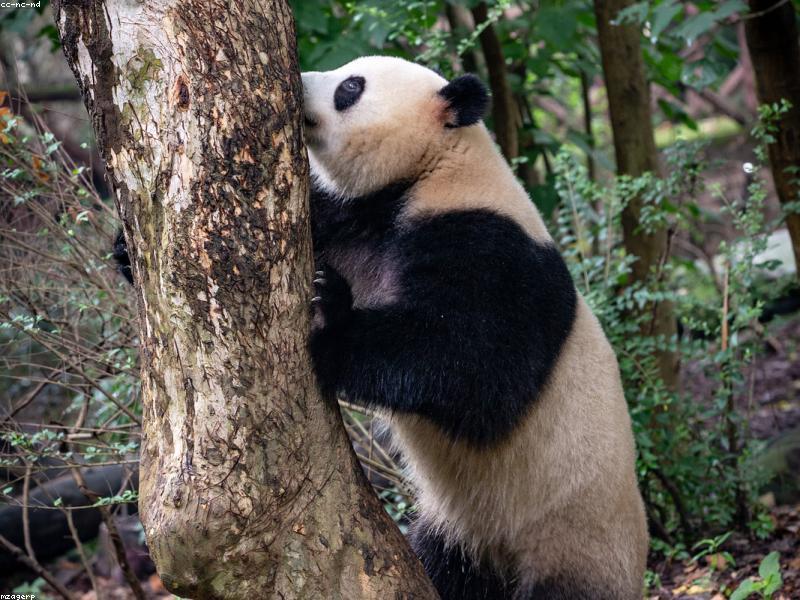
Giant panda eating bamboo at Chengdu Research Base
Advertisement
Deep Dive
When to Visit
Chengdu has a humid subtropical climate. The best times are March to May and September to November when temperatures are mild (15-25C) and rainfall is lower. Summers (June-August) are hot and sticky, often exceeding 35C. Winters are grey and damp but rarely drop below 0C. Avoid Chinese national holidays (especially Golden Week in early October and Chinese New Year) when tourist sites are packed.
Getting There and Around
- Flights: Chengdu Tianfu International Airport (TFU) is the main airport, about 50km from the city center. Airport express buses and metro Line 18 connect to downtown (about 45-60 minutes, 10-15 RMB).
- Metro: Chengdu has 13+ metro lines covering most tourist areas. Fares range from 2-10 RMB. Signs and announcements are bilingual.
- DiDi (ride-hailing): Works well, cheaper than taxis for longer rides. The app has an English interface.
- Taxis: Abundant and cheap. Flag fall is 8 RMB. Most drivers don't speak English, so have your destination written in Chinese.
Top Things to Do
Chengdu Research Base of Giant Panda Breeding
This is the number-one reason most foreigners visit Chengdu. Arrive early (gates open at 7:30 AM) when pandas are most active -- by noon they're usually asleep. The base is huge (200+ hectares), so allow 3-4 hours. Entry is 55 RMB. You can also see red pandas, swans, and peacocks. Take metro Line 3 to Panda Avenue station, then a short bus ride.
Jinli Ancient Street
A restored pedestrian street next to the Wuhou Shrine, packed with Sichuan snack stalls, handicraft shops, and teahouses. It's touristy but fun, especially in the evening when the traditional lanterns are lit. Try san da pao (glutinous rice balls), zhong dumplings, and tanghulu (candied fruit skewers). Free to walk, budget 50-100 RMB for snacks.
People's Park (Renmin Park)
The heart of Chengdu's tea culture. Find a seat at Heming Teahouse, order a bowl of covered-bowl tea (gaiwan cha, 20-40 RMB), and watch locals playing mahjong, doing tai chi, or getting ear cleanings. This is where you see the real Chengdu lifestyle.
Wuhou Shrine and Jinsha Site Museum
Wuhou Shrine (50 RMB) honors Zhuge Liang and Liu Bei from the Three Kingdoms era. Jinsha Site Museum (70 RMB) showcases a 3,000-year-old Shu civilization with stunning gold and jade artifacts.
Wide and Narrow Alleys (Kuanzhai Xiangzi)
Three parallel restored Qing-dynasty alleys with teahouses, restaurants, and street performers. Good for an afternoon stroll. Free to enter.
What to Eat
Chengdu is a UNESCO City of Gastronomy. You cannot leave without trying:
- Hotpot (huoguo): The signature dish. Choose your broth (spicy, mushroom, tomato), then cook raw meats, vegetables, and noodles at your table. Budget 80-150 RMB per person. Try Xiaolongkan or Dazhai Men for chains, or ask locals for neighborhood favorites.
- Mapo tofu: Silken tofu in a numbing, spicy sauce with minced pork. Available everywhere for 20-35 RMB.
- Dan dan noodles: Thin noodles with spicy sesame sauce, preserved vegetables, and minced pork. 10-15 RMB at street stalls.
- Sichuan hot and sour noodles (suan la fen): Glass noodles in a tangy, spicy broth. A perfect cheap eat at 8-12 RMB.
- Chuan chuan xiang: Skewered meats and vegetables cooked in spicy broth -- like hotpot but on sticks. 30-60 RMB per person.
For street food, head to Yulin Road or the alleys around Sichuan University for more local, less touristy options.
Day Trips
Leshan Giant Buddha (70 RMB entry): The world's tallest stone Buddha statue (71 meters), carved into a cliff face over 1,200 years ago. Take a high-speed train from Chengdu to Leshan (1 hour, ~55 RMB), then bus 3 to the scenic area. Allow 3-4 hours. You can also take a boat ride (70 RMB) for a full-body photo from the river.
Mount Emei (Emeishan): One of China's Four Sacred Buddhist Mountains. The golden summit at 3,079 meters offers stunning cloud-sea views. It's a full day or overnight trip. Take the high-speed train to Emeishan station, then buses and cable cars to the top. Budget 160 RMB entry plus 120 RMB for cable cars.
Where to Stay
- Chunxi Road area: Central, near shopping and metro. Good for first-timers.
- Jinli / Wuhou Shrine area: Near tourist sites, lots of boutique hotels.
- Yulin / Jiuyanqiao area: More local nightlife, craft beer bars, and authentic restaurants.
- Budget: Hostels from 50-80 RMB/night. Mid-range hotels 200-400 RMB. Luxury from 600+ RMB.
How Many Days
- 2 days: Pandas, Jinli, People's Park, hotpot
- 3-4 days: Add Wuhou Shrine, Wide and Narrow Alleys, Jinsha Museum, food exploration
- 5-6 days: Add Leshan day trip and Mount Emei overnight