
Best podcasts to learn Chinese
Published: April 29, 2026
Short Answer
Podcasts are one of the most effective ways to improve Chinese listening skills, and there are excellent options for every level. ChinesePod remains a classic for structured lessons, while MandarinBean and Slow Chinese offer comprehensible input for intermediate learners. For advanced learners, native-language podcasts on topics you enjoy will push your listening to the next level.
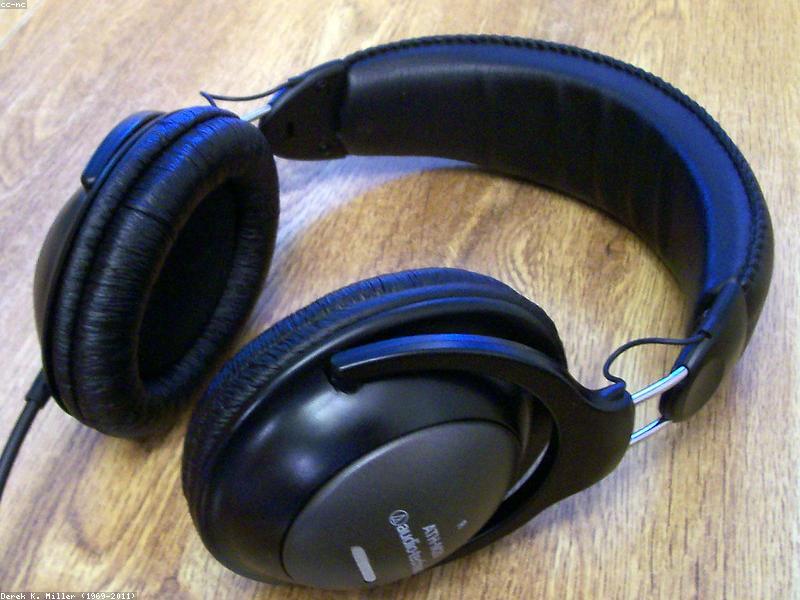
Person wearing headphones listening to a podcast while commuting
Advertisement
Deep Dive
Why Podcasts Work for Chinese
Listening is often the most neglected skill in Chinese study. Textbooks teach you to read, apps teach you to write, but real-world Chinese -- fast, colloquial, full of slang -- requires extensive listening practice. Podcasts fill this gap by providing:
- Comprehensible input at your level (i+1 in linguistics terms)
- Native pronunciation from real speakers
- Exposure to natural speech patterns that textbooks miss
- Portability -- study during commutes, workouts, or chores
Beginner Podcasts (HSK 1-3)
ChinesePod (chinesepod.com)
The longest-running Chinese learning podcast with thousands of lessons organized by level. Each lesson presents a dialogue, breaks down vocabulary, and explains grammar. Their beginner and elementary levels use English explanations with gradually increasing Chinese.
- Format: 10-20 minute lessons
- Strength: Structured curriculum, huge back catalog
- Weakness: Requires subscription for full access ($14/month)
- Best for: Self-studiers who want a clear progression
Coffee Break Chinese (radiolingua.com)
From the makers of the popular Coffee Break series, this podcast teaches Chinese from scratch with a relaxed, conversational style. The host and student learn together, making it feel like you are in a real class.
- Format: 15-25 minute lessons
- Strength: Beginner-friendly, well-produced
- Weakness: Limited advanced content
- Best for: Absolute beginners who want a gentle start
ChineseClass101 (chineseclass101.com)
Offers lessons at multiple levels with accompanying vocabulary lists and lesson notes. The podcast feed provides a sampling of their content, with full access behind a subscription.
- Format: 10-30 minute lessons
- Strength: Multiple levels, cultural context
- Weakness: Marketing-heavy, requires paid plan for best content
- Best for: Beginners who like variety in lesson formats
Intermediate Podcasts (HSK 3-5)
MandarinBean (mandarinbean.com)
Specifically designed for intermediate learners, MandarinBean presents short Chinese stories read at a manageable speed, followed by vocabulary explanations in English. The content is interesting and culturally relevant.
- Format: 5-15 minute episodes
- Strength: Perfectly pitched for intermediate learners, engaging stories
- Weakness: Smaller catalog than established competitors
- Best for: Learners transitioning from textbook Chinese to real content
Slow Chinese (慢速中文) (slow-chinese.com)
A podcast where the host speaks Chinese at a deliberately slower pace on interesting cultural topics. Each episode covers a topic like Chinese history, food, customs, or current events.
- Format: 5-15 minute episodes
- Strength: Clear pronunciation, interesting topics, free transcripts
- Weakness: Not truly beginner-friendly despite the name
- Best for: HSK 4-5 learners who want to improve listening fluency
Popup Chinese (popupchinese.com)
Offers lessons at various levels with a focus on practical, everyday Chinese. Their intermediate content includes dialogues, cultural notes, and vocabulary breakdowns.
- Format: 10-20 minute lessons
- Strength: Practical vocabulary, cultural insights
- Weakness: Less active in recent years
- Best for: Learners in China who want practical daily Chinese
Advanced Podcasts (HSK 5-6+)
At the advanced level, switch to native Chinese podcasts on topics you enjoy. Here are some popular options:
故事FM (StoryFM)
Real Chinese people telling their life stories. Excellent for natural speech, emotional expression, and understanding different accents and dialects.
忽左忽右 (Left and Right)
Deep-dive discussions on Chinese and world history, culture, and current events. Rich vocabulary and complex sentence structures.
声东击西 (Sheng Dong Ji Xi)
A technology and culture podcast with two hosts discussing trends in tech, society, and global affairs. Great for business and tech vocabulary.
无聊斋 (Wu Liao Zhai)
A pop culture podcast covering movies, TV shows, and internet culture. Good for learning slang and casual speech.
How to Use Podcasts Effectively
- Listen twice. First time without stopping -- just get the gist. Second time with pauses, looking up unknown words.
- Use transcripts. Most learning podcasts provide transcripts. Read along while listening to connect sounds to characters.
- Shadow the speaker. Pause after each sentence and repeat it, matching the speaker's rhythm and intonation.
- Keep a vocabulary notebook. Write down 3-5 new words per episode. Review them later with flashcards.
- Graduate to native content. Once you can understand 70% of intermediate podcasts, start mixing in native content on topics you find interesting.
Building a Listening Routine
A sustainable podcast routine might look like:
- Morning commute: 15 minutes of a structured lesson podcast (ChinesePod or MandarinBean)
- Lunch break: 10 minutes of Slow Chinese
- Evening walk: 20 minutes of a native podcast on a topic you enjoy
Consistency matters more than duration. Fifteen minutes of focused listening every day beats two hours on the weekend.