
Driving in China as a Foreigner
Published: April 29, 2026
Short Answer
Driving in China as a foreigner requires converting your home country license to a Chinese driver's license, which involves a written test (available in English in most cities). Traffic drives on the right side of the road. While driving culture can seem chaotic to newcomers, major cities have well-maintained roads and clear signage. Many expats choose not to drive due to excellent public transportation, but owning a car becomes more practical in smaller cities or suburban areas.
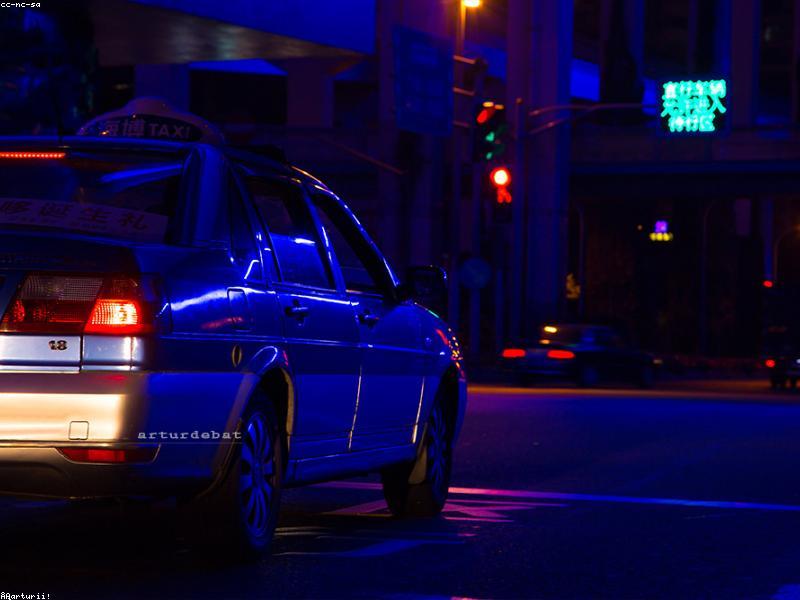
Chinese highway with modern infrastructure
Advertisement
Deep Dive
Getting a Chinese Driver's License
If you already have a valid driver's license from your home country, you can convert it to a Chinese license without taking driving lessons. The process involves:
Required documents:
- Valid passport with current visa
- Your original home country driver's license
- Notarized translation of your license (Chinese)
- Physical examination certificate from an authorized hospital
- 5 passport-sized photos (white background)
- Registration form from the local police station (temporary residence registration)
The written test:
- 100 multiple-choice questions
- 90% required to pass (90 out of 100)
- Available in English, Chinese, and several other languages
- Questions cover traffic signs, rules, and safe driving practices
- Study materials available online and through apps like "China Driving Test"
- You can retake the test if you fail, but there is a waiting period
Process timeline:
- Gather documents (1-2 weeks)
- Take physical exam (same day)
- Submit application at local Vehicle Management Office (车管所, chēguǎnsuǒ)
- Take written test (usually same day or within a week)
- Receive temporary license immediately, permanent card mailed in 1-2 weeks
Traffic Rules
Chinese traffic rules are similar to most countries, with some key differences:
- Drive on the right side of the road
- Speed limits: 30-60 km/h in cities, 80-120 km/h on highways
- No right turn on red unless specifically permitted by a sign
- Seatbelts required for driver and front passenger
- No mobile phone use while driving (strictly enforced with cameras)
- Drunk driving: Zero tolerance -- any detectable alcohol results in license suspension
Road Culture
Chinese driving culture can be intense for newcomers:
- Horn usage: Drivers use horns frequently, not necessarily aggressively -- it is a way of announcing presence
- Lane discipline: Less strict than in Western countries. Expect vehicles to change lanes frequently and sometimes without signaling.
- Scooters and e-bikes: These are everywhere and may not follow traffic rules. Be especially vigilant at intersections.
- Pedestrians: Pedestrians may cross unexpectedly. Always be alert near crosswalks and intersections.
- Parking: Finding parking in major cities can be challenging and expensive.
Renting a Car
Car rental is available in most cities through apps and rental companies:
- Popular apps: Shenzhou (神州), eHi (一嗨), Caocao (曹操)
- Requirements: Chinese driver's license, Chinese phone number, sometimes a deposit
- Cost: 100-300 RMB per day for a basic sedan
- Insurance: Basic insurance is usually included, but consider additional coverage
Buying a Car
If you plan to stay long-term, buying a car may be more economical:
- License plates: In cities like Shanghai, Beijing, and Guangzhou, license plates are restricted and can cost 10,000-100,000+ RMB through auction or lottery
- New cars: China has a booming domestic car market with competitive prices, especially for electric vehicles
- Used cars: Available through dealers and apps like Guazi (瓜子)
- Electric vehicles: Growing rapidly with extensive charging infrastructure and government subsidies
Alternatives to Driving
Most expats find they do not need a car:
- Metro: Extensive networks in all major cities
- Bus: Cheap and covers areas metros do not reach
- Didi: On-demand ride-hailing, very affordable
- E-bikes: Popular for short commutes, no license required for low-speed models
- Bicycle sharing: Meituan and Hellobike are widely available
Road Trips
China has an excellent highway system that makes road trips feasible:
- Toll roads: Most highways are tolled. ETC (Electronic Toll Collection) cards speed up payment.
- Rest stops: Well-equipped with food, fuel, and restrooms
- Navigation: Use Gaode Maps (高德地图) or Baidu Maps -- Google Maps does not work well in China
- Documents: Always carry your license, registration, and insurance