
Air Quality in China: What You Need to Know
Published: April 29, 2026
Short Answer
Air quality in China has improved significantly over the past decade, though it remains a concern in some northern cities during winter. The government uses the AQI (Air Quality Index) system, with readings available through apps like AirVisual and the built-in weather apps on most phones. Many expats use air purifiers at home and wear N95 masks on particularly bad days. Southern cities like Shenzhen, Kunming, and Xiamen generally have excellent air quality year-round.
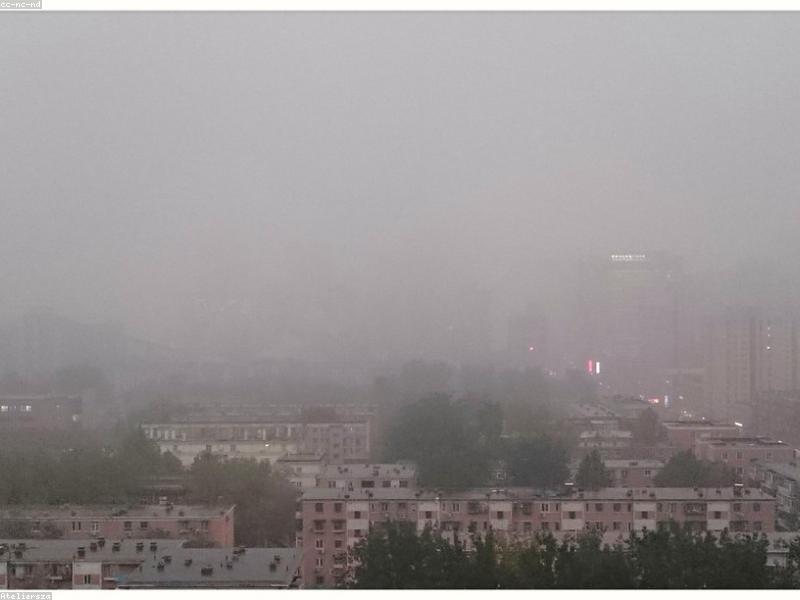
Clear blue sky over modern Chinese city
Advertisement
Deep Dive
Understanding AQI
The Air Quality Index (AQI) is the standard measurement for air quality. China uses its own AQI scale, which is similar to the US EPA scale:
- 0-50 (Green): Good -- safe for all outdoor activities
- 51-100 (Yellow): Moderate -- acceptable for most people
- 101-150 (Orange): Unhealthy for sensitive groups
- 151-200 (Red): Unhealthy -- everyone may experience effects
- 201-300 (Purple): Very unhealthy -- health warnings for everyone
- 300+ (Maroon): Hazardous -- emergency conditions
Key pollutants measured:
- PM2.5 (fine particulate matter) -- the most concerning for health
- PM10 (coarser particles)
- Ozone (O3)
- Nitrogen dioxide (NO2)
- Sulfur dioxide (SO2)
- Carbon monoxide (CO)
Air Quality by Region
Air quality varies significantly across China:
Generally excellent (AQI usually under 50):
- Kunming (Yunnan)
- Xiamen (Fujian)
- Haikou (Hainan)
- Lhasa (Tibet)
- Shenzhen (Guangdong)
Generally good (AQI usually under 100):
- Shanghai
- Guangzhou
- Chengdu
- Hangzhou
- Nanjing
Variable (can exceed 150 in winter):
- Beijing
- Tianjin
- Shijiazhuang
- Xi'an
- Most northern cities
Worst periods:
- Winter months (November-February) in northern China
- During temperature inversions that trap pollutants
- During sandstorms from the Gobi Desert (spring)
Monitoring Air Quality
Recommended apps:
- AirVisual (by IQAir): Most popular among expats, provides real-time AQI and forecasts
- China Air Quality Index: Official government app
- Built-in weather apps: Most Chinese phones show AQI in the weather widget
Websites:
- aqicn.org -- real-time AQI for cities worldwide
- aqistudy.cn -- official Chinese data
Health Precautions
Air purifiers:
- Essential for expats in northern cities
- HEPA filters are most effective for PM2.5
- Popular brands: IQAir, Blueair, Xiaomi, Philips
- Cost: 1,000-5,000 RMB for a quality unit
- Replace filters every 6-12 months
Masks:
- N95 or KN95 masks are effective against PM2.5
- Surgical masks are not effective for air pollution
- Wear masks when AQI exceeds 150
- Available at pharmacies and convenience stores
Indoor plants:
- Some plants (like spider plants and peace lilies) can help filter indoor air
- Not a substitute for air purifiers but a nice complement
Government Efforts and Improvements
China has made remarkable progress in air quality:
- Coal reduction: Many cities have switched from coal to natural gas for heating
- Industrial relocation: Polluting factories have been moved away from major cities
- Electric vehicles: Aggressive promotion of EVs reduces vehicle emissions
- Monitoring: Extensive real-time monitoring network across the country
- Targets: Government has set ambitious targets for further improvement
Results:
- Beijing's average PM2.5 dropped from over 80 µg/m³ in 2013 to under 35 µg/m³ in 2025
- Blue sky days have increased significantly in most cities
- Many expats report that air quality is no longer a major concern
Living with Air Quality Concerns
Practical tips:
- Choose your city wisely if air quality is a priority
- Invest in a good air purifier for your apartment
- Check AQI before planning outdoor activities
- Keep N95 masks on hand for bad days
- Exercise indoors on high-pollution days
- Plants can help improve indoor air quality
For sensitive individuals:
- People with asthma or respiratory conditions should take extra precautions
- Children and the elderly are more vulnerable to poor air quality
- Consult a doctor about medication adjustments if moving to a city with variable air quality